Evidence level
Species-specific veterinary and welfare sources
The core husbandry numbers on this page come from species-level veterinary or welfare guidance rather than broad hobby generalizations.
Tier 1 · Most Researched
Source-backed species page
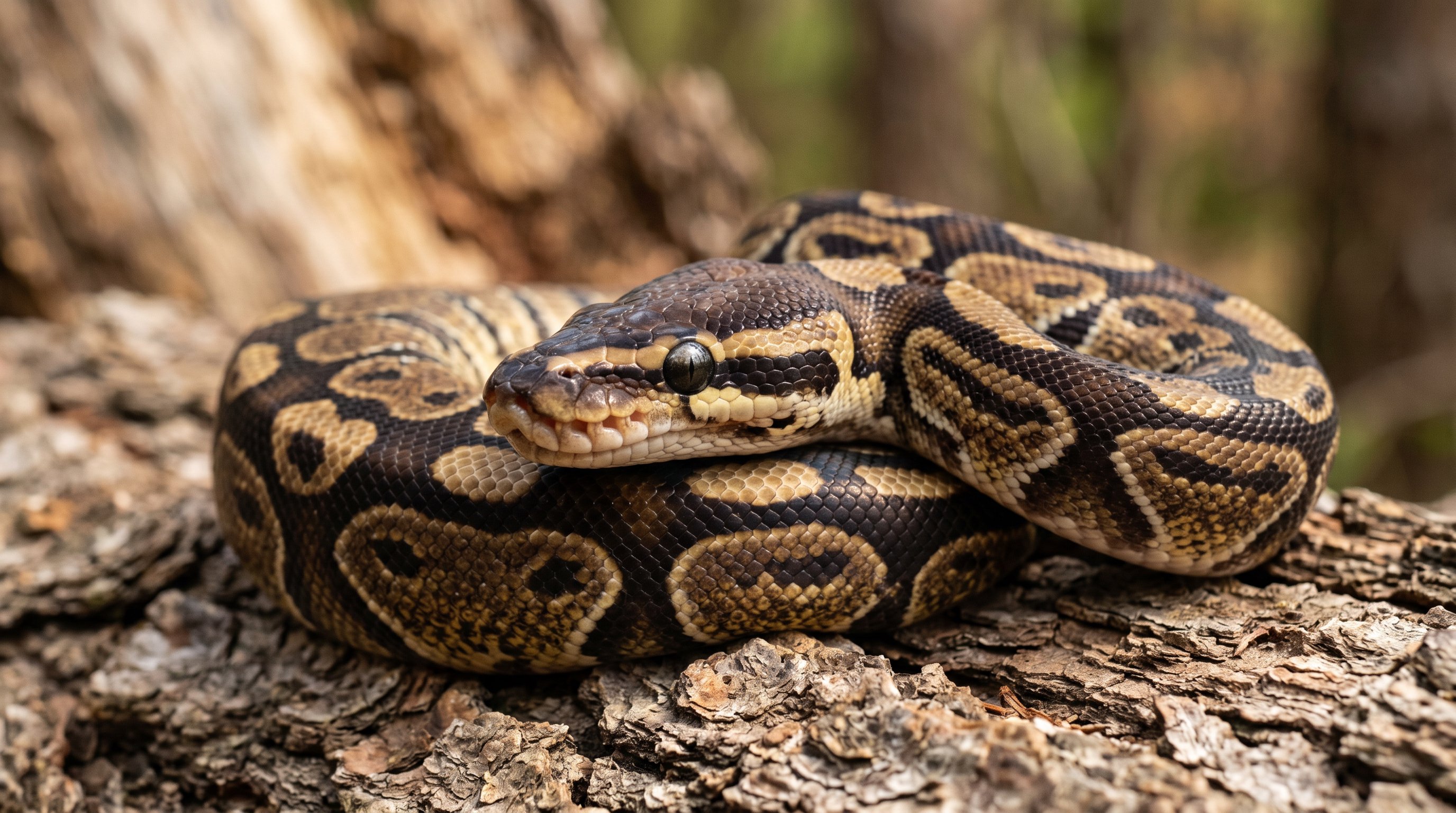
Ball pythons are popular for good reason, but the useful version of that story is not “easy snake” — it is “calm snake that still needs tightly managed heat, security, and feeding routine.”
Evidence level
Species-specific veterinary and welfare sources
The core husbandry numbers on this page come from species-level veterinary or welfare guidance rather than broad hobby generalizations.
Activity
Mostly crepuscular / nocturnal
Activity pattern tells you when the animal is visible, when feeding happens, and whether its routine fits your schedule.
Lifespan
20–30 years
Lifespan changes the commitment more than novelty does; some of these animals stay with you for years or even decades.
Category context
A practical starting group with familiar species, strong husbandry demand, and lots of real-world questions about setup, feeding, and lifespan.
Species people usually compare by enclosure security, feeding routine, humidity, and handling expectations.
Overview
Ball pythons are popular for good reason, but the useful version of that story is not “easy snake” — it is “calm snake that still needs tightly managed heat, security, and feeding routine.”
The focus here is the care load that matters first in real life: enclosure design, temperature and humidity control, feeding rhythm, and the husbandry mistakes that cause trouble fastest.
Care snapshot
Enclosure baseline
RSPCA advises an enclosure long enough for the snake to fully stretch; their example for a 120 cm royal python is about 120 × 40 × 40 cm minimum.
Heat + humidity
The warm end should offer a real basking area while the cool end stays usable; RSPCA also emphasizes humidity support, especially during shedding.
Feeding rhythm
Frozen-thawed whole prey on a steady schedule works better than constant tinkering every time a snake pauses a meal.
Handling reality
A calm snake still needs secure support and time left alone after meals or stressful shed periods.
This page leans on species-specific welfare or veterinary owner guidance, so the setup numbers here are stronger than a broad generic exotic-pet summary.
Why it’s weird
They are one of the first snakes many people seriously consider because they look striking, stay manageable, and have a huge amount of keeper discussion around them.
Care reality
Their calm reputation hides the real work: stable temperatures, secure hiding places, correct humidity at shedding time, and patience during normal feeding pauses.
Setup baseline
A ball python settles best when it can choose temperature without giving up cover.
Thermostats and digital probes matter more than guessing that the enclosure feels warm enough.
Consistency beats panic changes; skipped meals are a husbandry check before they are a crisis.
Daily rhythm
Expect a lot of hiding and resting; quiet security is normal, not a sign the snake is unhappy.
This is when exploration, tongue flicking, and most useful behavior checks usually happen.
Refresh water, spot-clean, confirm temperatures, and track feeding rather than improvising care from vibes.
Myth vs reality
Myth
Ball pythons are perfect beginners, so they are hard to mess up.
Reality
They are beginner-friendly, but bad heat, stress, or insecurity shows up quickly as poor sheds or food refusal.
Myth
One skipped meal means something is seriously wrong.
Reality
Context matters; seasonal fasting and stress-related pauses are common enough that patience is part of the skill set.
Myth
A bigger tank automatically fixes the care problem.
Reality
Space only helps when hides, clutter, and temperatures are correct inside that space.
Fit check
Best for people comparing first snakes, comfortable with frozen-thawed rodents, and willing to keep a solitary reptile for decades.
Great fit if…
Probably not if…
Watchouts
The first things to get wrong are enclosure security, weak heat control, overreacting to a skipped meal, and handling too soon after feeding.
Common mistakes
Sources & notes
This page leans on species-specific welfare or veterinary owner guidance, so the setup numbers here are stronger than a broad generic exotic-pet summary.
Used for enclosure sizing, humidity, thermal structure, feeding cadence, and handling limits.
Before you act on this guide
This page is for research, not veterinary diagnosis or legal clearance. Local ownership rules, rescue policies, and exotic-vet access vary by place.
Cookie settings
Required for theme, navigation state, and remembering this choice.
Some changes may need a refresh.