Group Map

Four main groups organize the species library

Each group clusters animals that people naturally compare by enclosure type, daily care load, and the mistakes that usually matter first.

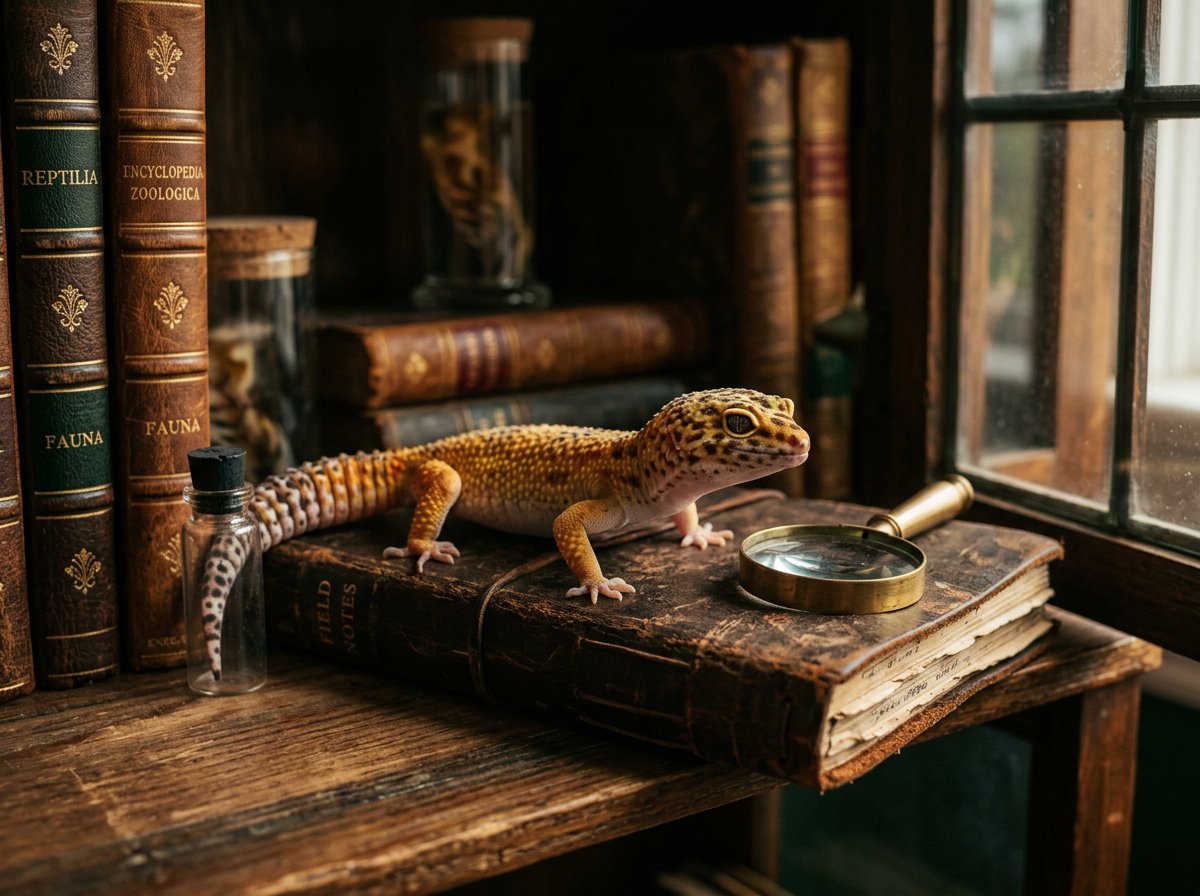
Leopard gecko in a museum-cabinet editorial scene for the Hipawz reptiles category.

Group 1

Reptiles

A practical starting group with familiar species, strong husbandry demand, and lots of real-world questions about setup, feeding, and lifespan.

People often start here because reptile species are easier to recognize and compare across care difficulty.

SnakesGeckos & Small LizardsLarger Lizards & Tortoises

Common first comparisons: Ball Python, Bearded Dragon, Corn Snake
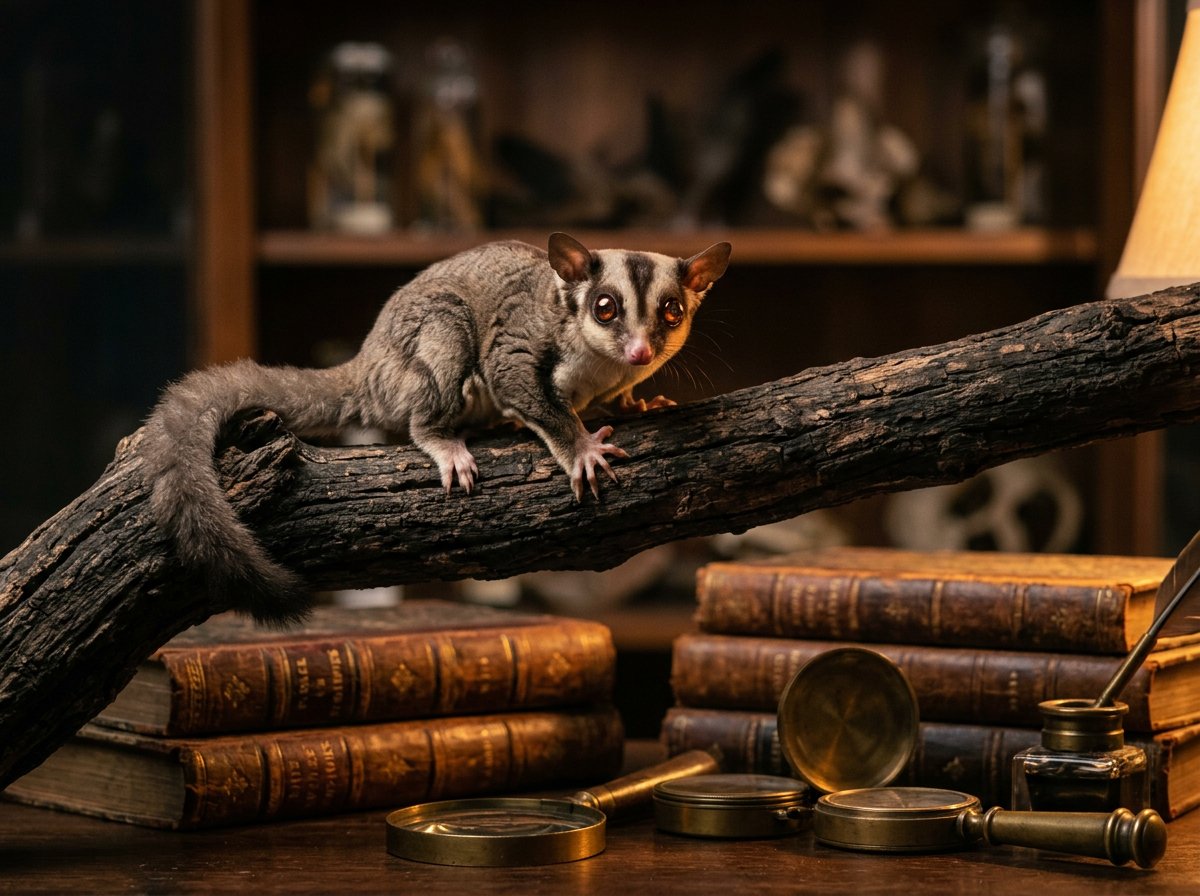
Sugar glider perched above old books for the Hipawz small mammals category.

Group 2

Small Mammals

A high-interest group where appearance often hides more demanding care around heat, social needs, enrichment, and daily routine.

This group is where cute appearances most often hide harder care around heat, companionship, enrichment, and routine.

Cute but Harder Than They LookSocial & High-Maintenance MammalsNiche Pocket Exotics

Common first comparisons: African Pygmy Hedgehog, Ferret, Sugar Glider

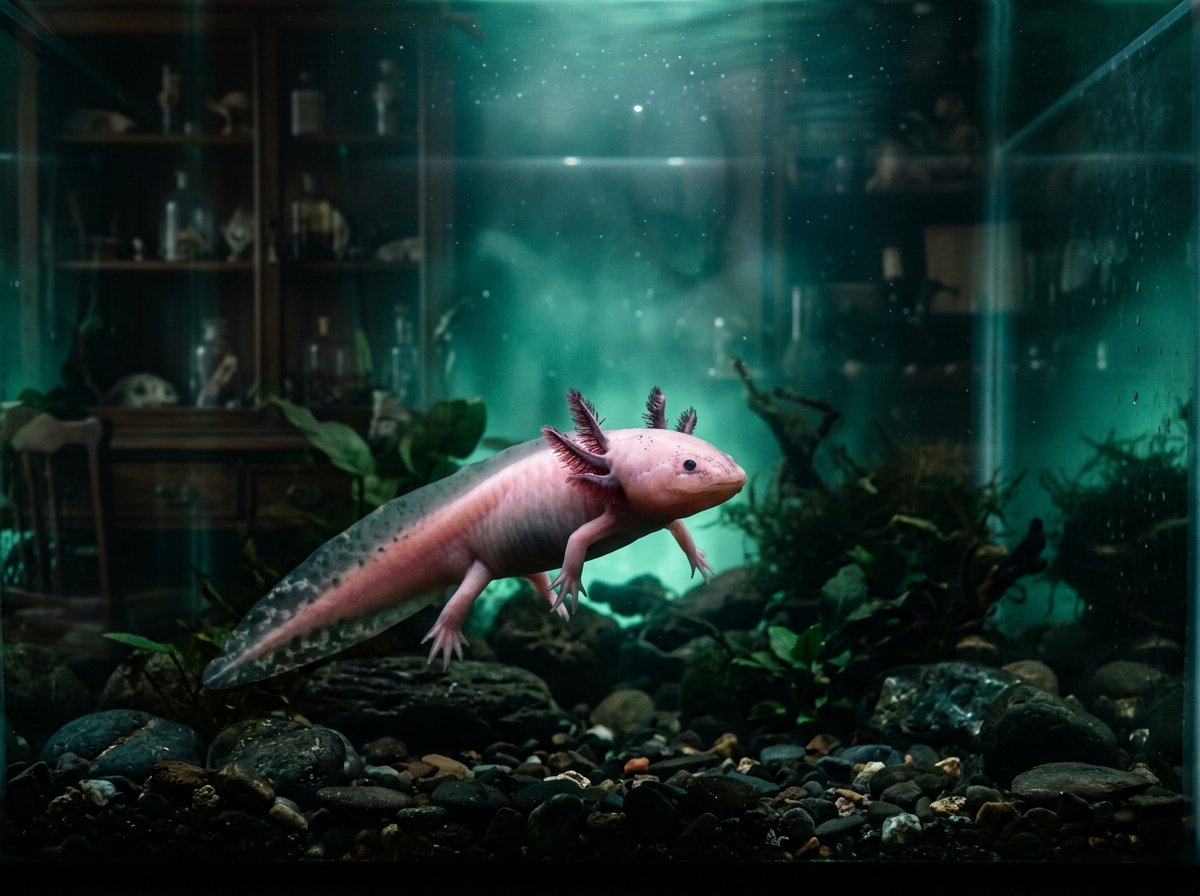
Axolotl in luminous teal water for the Hipawz amphibians and aquatic category.

Group 3

Amphibians & Aquatic

This group covers aquatic oddities and moisture-dependent species where water quality, humidity, and temperature control usually decide the outcome.

These are the species where invisible mistakes in water, temperature, or humidity usually matter more than looks.

Aquatic OdditiesFrogs & ToadsSalamanders & High-Humidity Species

Common first comparisons: Axolotl, Pacman Frog, African Dwarf Frog

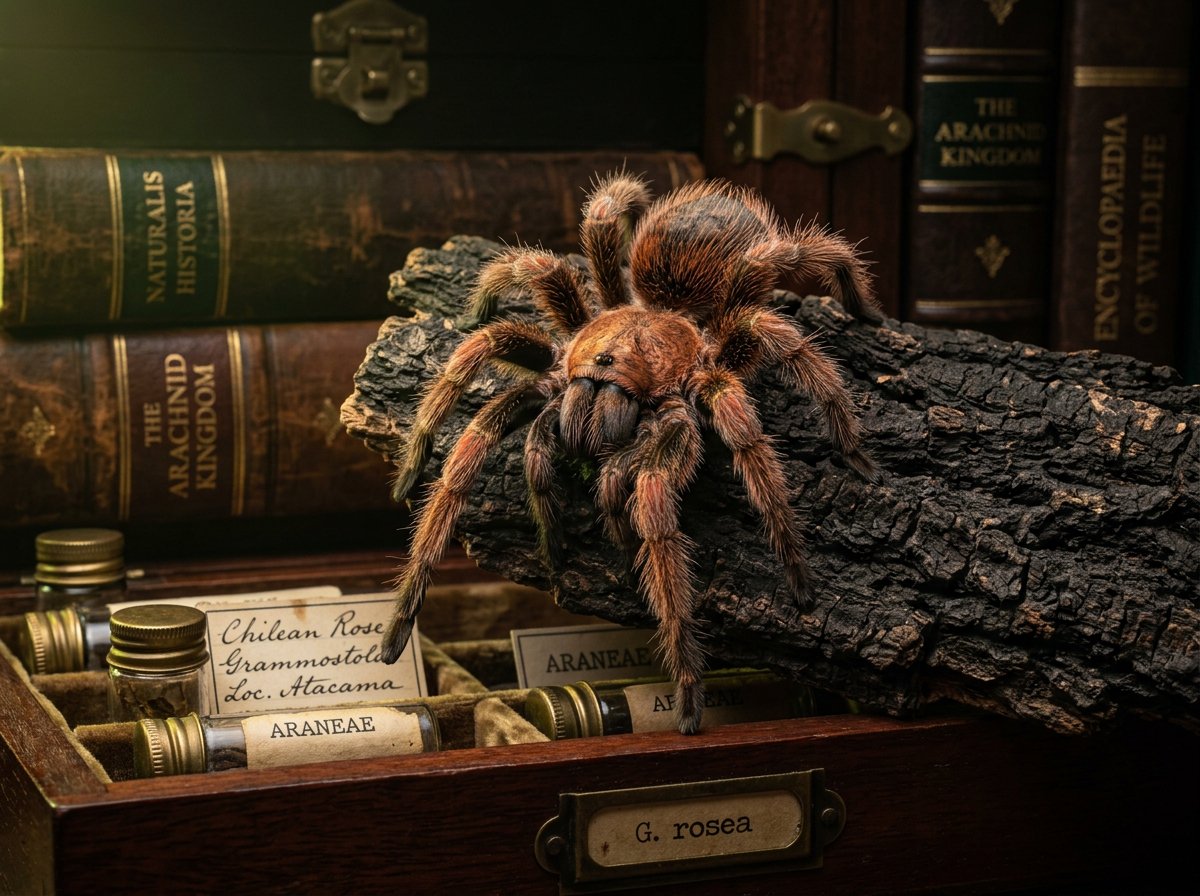
Tarantula on dark bark among cabinet drawers for the Hipawz invertebrates category.

Group 4

Invertebrates

The category for spiders, insects, and other exotics where enclosure microclimate, low-disturbance care, and sourcing questions matter more than most buyers expect.

This group helps people separate novelty purchases from the real questions around humidity, molting safety, escape prevention, and sourcing.

SpidersInsectsOther Creepy-Crawlies

Common first comparisons: Tarantula, Giant Millipede, Hermit Crab