Evidence level
Mixed veterinary and specialist keeper sources
This page uses a mix of welfare or veterinary guidance plus stronger specialist care references where institutional species pages are sparse.
Tier 1 · Most Researched
Source-backed species page
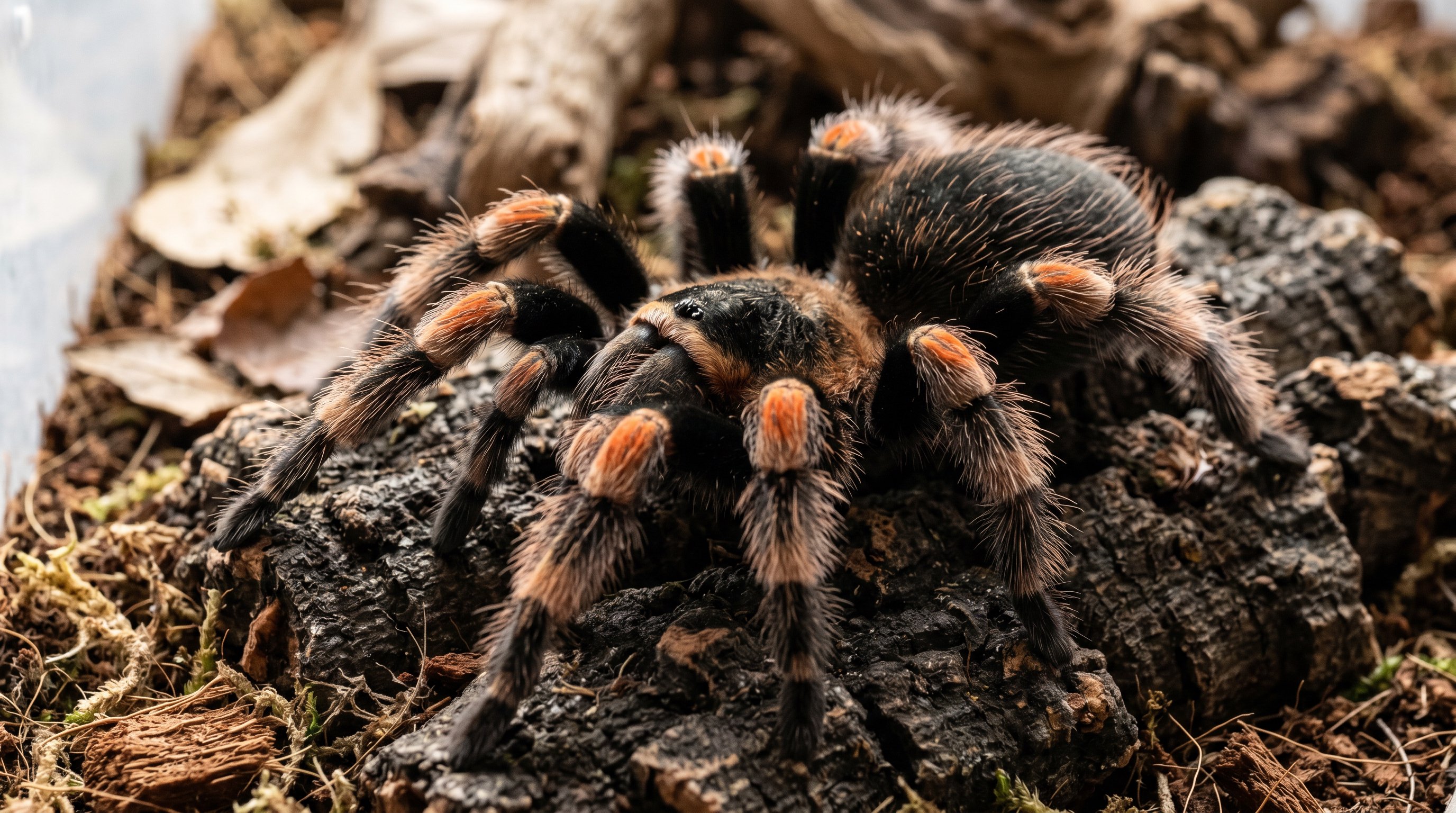
Tarantulas can be low-intervention pets, but only when the keeper stops treating “tarantula” as one care category and starts with the exact species, body type, and sourcing story.
Evidence level
Mixed veterinary and specialist keeper sources
This page uses a mix of welfare or veterinary guidance plus stronger specialist care references where institutional species pages are sparse.
Activity
Mostly nocturnal
Activity pattern tells you when the animal is visible, when feeding happens, and whether its routine fits your schedule.
Lifespan
5–30 years depending on species
Lifespan changes the commitment more than novelty does; some of these animals stay with you for years or even decades.
Category context
The category for spiders, insects, and other exotics where enclosure microclimate, low-disturbance care, and sourcing questions matter more than most buyers expect.
Species where handling myths, secure housing, and species-level differences matter immediately.
Overview
Tarantulas can be low-intervention pets, but only when the keeper stops treating “tarantula” as one care category and starts with the exact species, body type, and sourcing story.
The focus here is the care load that matters first in real life: enclosure design, temperature and humidity control, feeding rhythm, and the husbandry mistakes that cause trouble fastest.
Care snapshot
Species choice first
“Tarantula” covers terrestrial, arboreal, New World, and Old World spiders with very different care and risk profiles.
Fall risk
Heavy-bodied terrestrial tarantulas can be seriously injured by short falls, so enclosure height and handling habits matter.
Molting
A tarantula near molt needs calm, correct enclosure conditions, and a keeper who does not interfere just because the spider stops eating.
Handling reality
The safest routine is observation-focused keeping with maintenance designed to avoid direct contact.
This page mixes veterinary or welfare guidance with specialist keeper references because species-specific owner literature is thinner than it is for mainstream dogs, cats, or rabbits.
Why it’s weird
They draw people in because they feel extreme, but the genuinely useful question is whether the spider is a terrestrial display animal, an arboreal escape risk, or a bad fit for handling entirely.
Care reality
The practical work is species choice, secure enclosure design, and leaving the spider alone at the right times, especially around molts.
Setup baseline
Temperament, moisture needs, webbing habits, and enclosure shape all start with the species, not the generic word tarantula.
Prioritize correct substrate, hides, and escape prevention over display gimmicks.
A no-handling plan protects both the spider and the keeper from preventable accidents.
Daily rhythm
Long periods of stillness or hiding are normal and should not trigger constant interference.
Exploration, webbing, and hunting posture often show up when the room gets quieter and darker.
Food refusal, sealing into a hide, and post-molt fragility are part of the schedule and require patience.
Myth vs reality
Myth
All tarantulas need high humidity.
Reality
Target conditions vary sharply by species and origin, so generic spider advice can be actively misleading.
Myth
If it barely moves, it must be unhappy.
Reality
Stillness is normal tarantula behavior and not a care failure by itself.
Myth
Tarantulas are maintenance-free.
Reality
The routine can be simple, but only if species choice and enclosure design were right from the start.
Fit check
Best for people who enjoy observation over interaction, can resist handling for content, and are willing to research the exact species instead of buying by color or size alone.
Great fit if…
Probably not if…
Watchouts
The biggest mistakes are treating all tarantulas the same, buying unknown-origin specimens, and forgetting that even a short fall can kill a heavy-bodied spider.
Common mistakes
Sources & notes
This page mixes veterinary or welfare guidance with specialist keeper references because species-specific owner literature is thinner than it is for mainstream dogs, cats, or rabbits.
Used for family-level biology, behavior, and natural-history context for pet tarantulas.
Used as a specialist cross-check for enclosure type, moisture approach, and handling caution across common pet tarantulas.
Before you act on this guide
This page is for research, not veterinary diagnosis or legal clearance. Local ownership rules, rescue policies, and exotic-vet access vary by place.
Cookie settings
Required for theme, navigation state, and remembering this choice.
Some changes may need a refresh.