7
Species In This Group
Category 4
The category for spiders, insects, and other exotics where enclosure microclimate, low-disturbance care, and sourcing questions matter more than most buyers expect.
This group helps people separate novelty purchases from the real questions around humidity, molting safety, escape prevention, and sourcing.
7
Species In This Group
3
Subgroups
1
Popular First Reads
Subgroup
Species where handling myths, secure housing, and species-level differences matter immediately.
Tier 1 · Most Researched
Intermediate
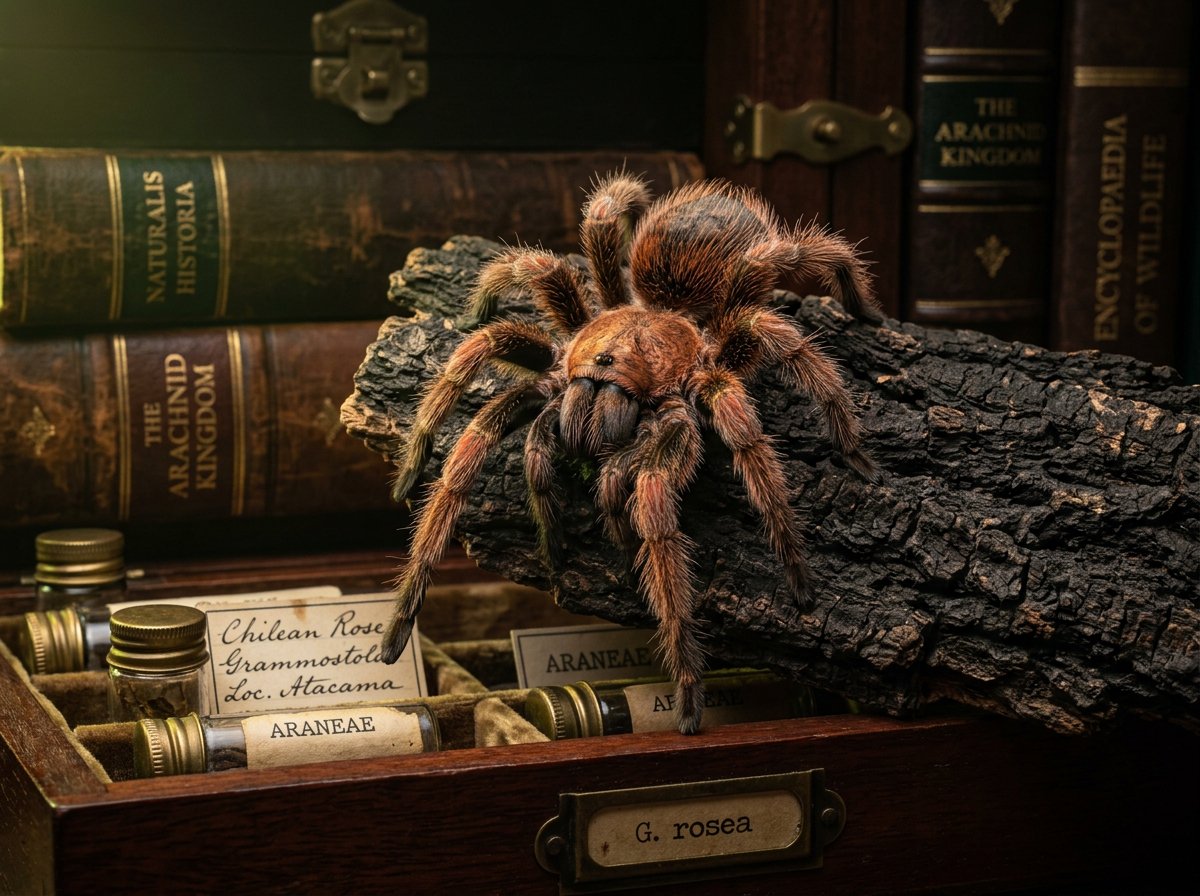
Tarantulas can be low-intervention pets, but only when the keeper stops treating “tarantula” as one care category and starts with the exact species, body type, and sourcing story.
Subgroup
Invertebrates that often look simple until molting, airflow, or food-plant needs are ignored.
Tier 3 · More Niche
Beginner-Friendly
Madagascar hissing cockroaches are one of the best educational invertebrates around, but the useful care story is about warmth, ventilation, colony management, and respect for escape prevention.
Tier 3 · More Niche
Beginner-Friendly
Praying mantises are charismatic hunters, but their care revolves around airflow, molting safety, prey size, and not turning an ambush insect into a handling novelty.
Tier 3 · More Niche
Beginner-Friendly
Stick insects look almost maintenance-free, but the actual care load sits in host plants, ventilation, and safe molting height.
Subgroup
Crabs, millipedes, and odd arachnids where moisture control, molting safety, and low-disturbance care matter most.
Tier 3 · More Niche
Beginner-Intermediate
Giant millipedes are excellent “quiet weird” animals, but they are really leaf-litter detritivores whose welfare lives or dies on moisture, substrate depth, and not being treated like toys.
Tier 3 · More Niche
Beginner-Intermediate
Hermit crabs are among the most misunderstood small exotics because the real care model is humid social crustacean colony, not painted-shell souvenir pet.
Tier 3 · More Niche
Advanced
Vinegaroons are one of the best “what is that?” invertebrates, but their keeper value comes from humid retreats, secure hides, and very low-disturbance observation.
Cookie settings
Required for theme, navigation state, and remembering this choice.
Some changes may need a refresh.