Evidence level
Captive-care sheets plus natural-history sources
This page leans on captive-care references and natural-history context because species-specific veterinary owner literature is still thin.
Tier 3 · More Niche
Source-backed species page
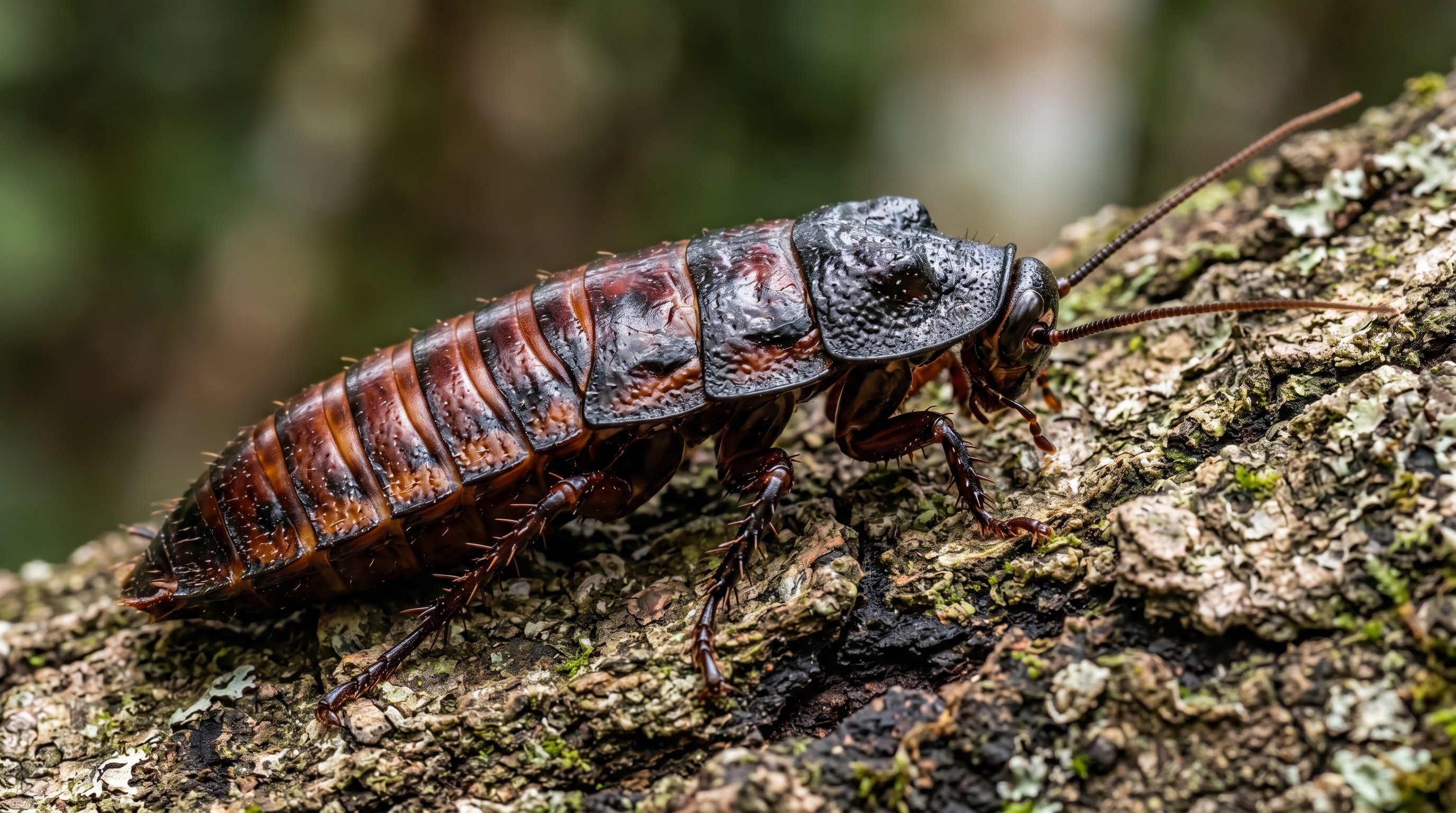
Madagascar hissing cockroaches are one of the best educational invertebrates around, but the useful care story is about warmth, ventilation, colony management, and respect for escape prevention.
Evidence level
Captive-care sheets plus natural-history sources
This page leans on captive-care references and natural-history context because species-specific veterinary owner literature is still thin.
Activity
Nocturnal
Activity pattern tells you when the animal is visible, when feeding happens, and whether its routine fits your schedule.
Lifespan
2–5 years
Lifespan changes the commitment more than novelty does; some of these animals stay with you for years or even decades.
Category context
The category for spiders, insects, and other exotics where enclosure microclimate, low-disturbance care, and sourcing questions matter more than most buyers expect.
Invertebrates that often look simple until molting, airflow, or food-plant needs are ignored.
Overview
Madagascar hissing cockroaches are one of the best educational invertebrates around, but the useful care story is about warmth, ventilation, colony management, and respect for escape prevention.
The focus here is the care load that matters first in real life: enclosure design, temperature and humidity control, feeding rhythm, and the husbandry mistakes that cause trouble fastest.
Care snapshot
Colony style
Veterinary and specialist care guides both treat hissing cockroaches as colony invertebrates that do best in secure warm enclosures with lots of hiding surfaces.
Ventilation + humidity
They need some humidity, but stale wet air is not the same thing as healthy conditions.
Diet
Fresh produce and dry staple foods work best when leftovers are removed quickly so mold and mites do not become part of the setup.
Escape reality
Smooth-sided, well-lidded housing matters because adults climb and colony management gets messy if security is an afterthought.
This page combines captive-care sheets with species natural-history references. For odd invertebrates and niche amphibians, that is often the most honest evidence mix available to hobbyists.
Why it’s weird
They stand out because the hissing sound, large size, and social colony behavior make them feel far more dramatic than the average feeder or household roach image.
Care reality
They are hardy, not indestructible. Bad lids, dirty food, and a damp stagnant enclosure are still bad husbandry even if roaches survive them for a while.
Setup baseline
A colony species needs predictable containment before anything else because accidental escape turns into a management problem fast.
Egg crate or bark-style hides increase usable space and keep the roaches from piling stress into one flat corner.
Add produce in quantities they can clear and remove leftovers before the enclosure starts supporting mold instead of roaches.
Fit check
Best for people who want an unusual display colony, classroom-style observation, or a low-handling invertebrate with very visible behavior.
Watchouts
Poor ventilation, weak escape control, and letting produce rot in the enclosure are the common avoidable errors.
Common mistakes
Sources & notes
This page combines captive-care sheets with species natural-history references. For odd invertebrates and niche amphibians, that is often the most honest evidence mix available to hobbyists.
Used for captive colony setup, warmth, feeding, ventilation, and escape-prevention priorities.
Used as a natural-history cross-check on species behavior and biology.
Before you act on this guide
This page is for research, not veterinary diagnosis or legal clearance. Local ownership rules, rescue policies, and exotic-vet access vary by place.
Cookie settings
Required for theme, navigation state, and remembering this choice.
Some changes may need a refresh.