Evidence level
Captive-care sheets plus natural-history sources
This page leans on captive-care references and natural-history context because species-specific veterinary owner literature is still thin.
Tier 3 · More Niche
Source-backed species page
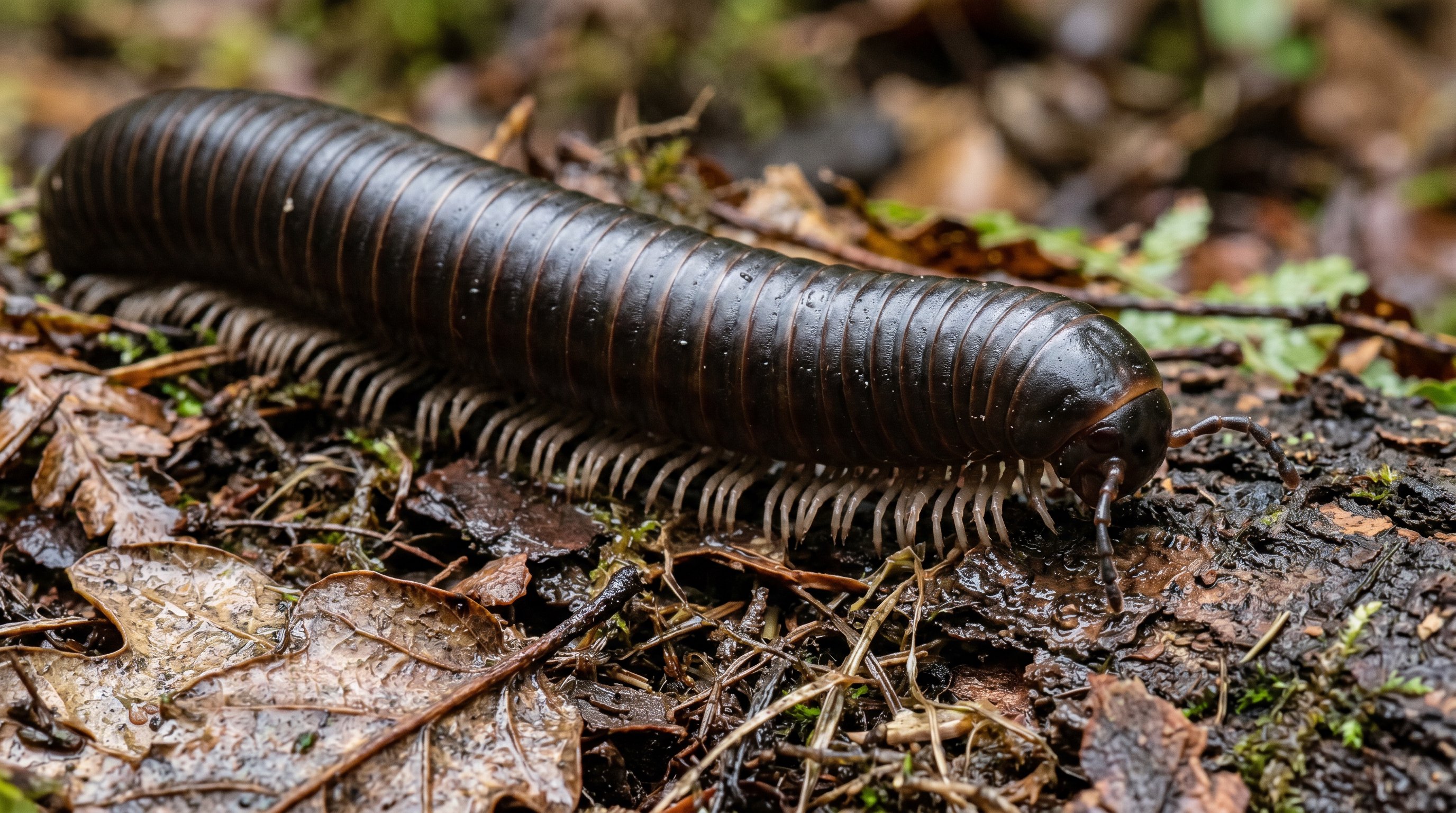
Giant millipedes are excellent “quiet weird” animals, but they are really leaf-litter detritivores whose welfare lives or dies on moisture, substrate depth, and not being treated like toys.
Evidence level
Captive-care sheets plus natural-history sources
This page leans on captive-care references and natural-history context because species-specific veterinary owner literature is still thin.
Activity
Nocturnal / low activity
Activity pattern tells you when the animal is visible, when feeding happens, and whether its routine fits your schedule.
Lifespan
5–10 years
Lifespan changes the commitment more than novelty does; some of these animals stay with you for years or even decades.
Category context
The category for spiders, insects, and other exotics where enclosure microclimate, low-disturbance care, and sourcing questions matter more than most buyers expect.
Crabs, millipedes, and odd arachnids where moisture control, molting safety, and low-disturbance care matter most.
Overview
Giant millipedes are excellent “quiet weird” animals, but they are really leaf-litter detritivores whose welfare lives or dies on moisture, substrate depth, and not being treated like toys.
The focus here is the care load that matters first in real life: enclosure design, temperature and humidity control, feeding rhythm, and the husbandry mistakes that cause trouble fastest.
Care snapshot
Substrate depth
Petco’s millipede guide emphasizes deep substrate and hiding cover because these animals spend much of their time moving through or under leaf litter.
Moisture
Humidity matters, but the enclosure still needs airflow so the substrate stays damp and usable rather than sour and stagnant.
Diet
They mainly eat decaying plant matter and soft supplemental produce, so care revolves around substrate ecology more than around scheduled prey feeding.
Handling
Millipedes are fragile-bodied invertebrates that should be handled gently and sparingly, if at all.
This page combines captive-care sheets with species natural-history references. For odd invertebrates and niche amphibians, that is often the most honest evidence mix available to hobbyists.
Why it’s weird
They stand out because their size alone breaks most people’s mental picture of what a millipede is supposed to look like in captivity.
Care reality
The enclosure looks simple only if you miss the point: deep substrate, rotting organic matter, humidity balance, and gentle observation are the whole game.
Setup baseline
Deep, moisture-retentive substrate with leaf litter is not bedding here; it is the core environment.
Leaf litter, decaying wood, and safe supplementary foods matter more than showy décor pieces.
This species does better when the enclosure feels settled and undisturbed rather than constantly rearranged.
Fit check
Best for people who like low-disturbance display animals, naturalistic enclosures, and invertebrates that reward observation more than interaction.
Watchouts
Dry substrate, shallow housing, rough handling, and poor ventilation are the usual care failures.
Common mistakes
Sources & notes
This page combines captive-care sheets with species natural-history references. For odd invertebrates and niche amphibians, that is often the most honest evidence mix available to hobbyists.
Used for substrate depth, humidity, diet, and handling expectations for captive giant millipedes.
Used as a natural-history cross-check on body plan and detritivore ecology.
Before you act on this guide
This page is for research, not veterinary diagnosis or legal clearance. Local ownership rules, rescue policies, and exotic-vet access vary by place.
Cookie settings
Required for theme, navigation state, and remembering this choice.
Some changes may need a refresh.