Evidence level
Mixed veterinary and specialist keeper sources
This page uses a mix of welfare or veterinary guidance plus stronger specialist care references where institutional species pages are sparse.
Tier 2 · Worth Comparing
Source-backed species page
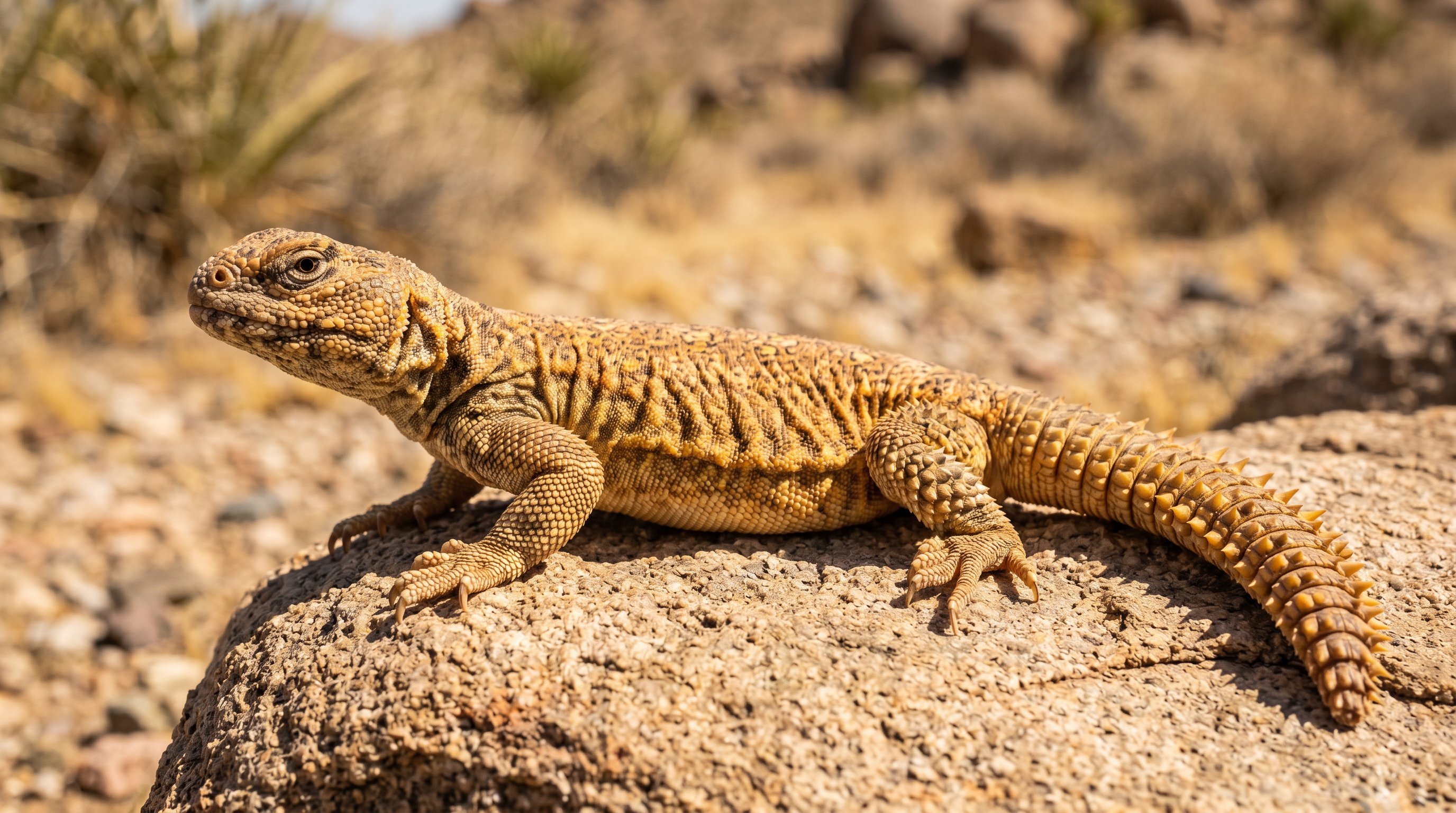
Uromastyx are desert lizards with very high heat and light needs plus a mostly herbivorous diet, which makes them look easy right up until the enclosure bill arrives.
Evidence level
Mixed veterinary and specialist keeper sources
This page uses a mix of welfare or veterinary guidance plus stronger specialist care references where institutional species pages are sparse.
Activity
Diurnal
Activity pattern tells you when the animal is visible, when feeding happens, and whether its routine fits your schedule.
Lifespan
15–20 years
Lifespan changes the commitment more than novelty does; some of these animals stay with you for years or even decades.
Category context
A practical starting group with familiar species, strong husbandry demand, and lots of real-world questions about setup, feeding, and lifespan.
Species with larger space needs, heavier lighting demands, and more obvious long-term commitment.
Overview
Uromastyx are desert lizards with very high heat and light needs plus a mostly herbivorous diet, which makes them look easy right up until the enclosure bill arrives.
The focus here is the care load that matters first in real life: enclosure design, temperature and humidity control, feeding rhythm, and the husbandry mistakes that cause trouble fastest.
Care snapshot
Environment style
Reptile Advisor describes uromastyx as strict baskers that need a hot, dry, very bright enclosure rather than a lukewarm generic lizard tank.
Heat + light
Care guides for the group consistently call for a very high basking area, strong UVB, and a cooler retreat so the lizard can regulate body temperature properly.
Diet
Unlike many popular lizards, adults rely heavily on leafy greens, flowers, and seeds rather than a routine insect-heavy menu.
Behavior
They can become bold feeders, but they still need hides and secure retreat space instead of a bare “display reptile” box.
This page mixes veterinary or welfare guidance with specialist keeper references because species-specific owner literature is thinner than it is for mainstream dogs, cats, or rabbits.
Why it’s weird
They stand out because they combine spiky prehistoric looks with a plant-heavy diet and extreme basking needs that are very different from the usual pet-lizard assumptions.
Care reality
Their care load is less about temperament and more about delivering intense basking heat, strong UVB, dry airflow, and the right plant-heavy diet every week.
Setup baseline
Uromastyx care starts with the basking platform, fixture strength, and UVB reach, not with decorative desert props.
Set up a greens-and-edible-plant routine before purchase so you do not backfill the diet with protein because it feels easier.
These lizards are built for arid conditions, so stagnant humid air is the wrong environment even if temperatures look fine.
Fit check
Best for people who already understand reptile heating and lighting or are happy to learn fast before buying an animal that depends on very bright, hot conditions.
Watchouts
The biggest blind spots are weak basking temperatures, underpowered UVB, and diets that drift too far toward insects or grocery-store treats.
Common mistakes
Sources & notes
This page mixes veterinary or welfare guidance with specialist keeper references because species-specific owner literature is thinner than it is for mainstream dogs, cats, or rabbits.
Used for species-level husbandry expectations around heat, UVB, arid housing, and diet.
Before you act on this guide
This page is for research, not veterinary diagnosis or legal clearance. Local ownership rules, rescue policies, and exotic-vet access vary by place.
Cookie settings
Required for theme, navigation state, and remembering this choice.
Some changes may need a refresh.