Evidence level
Mixed veterinary and specialist keeper sources
This page uses a mix of welfare or veterinary guidance plus stronger specialist care references where institutional species pages are sparse.
Tier 2 · Worth Comparing
Source-backed species page
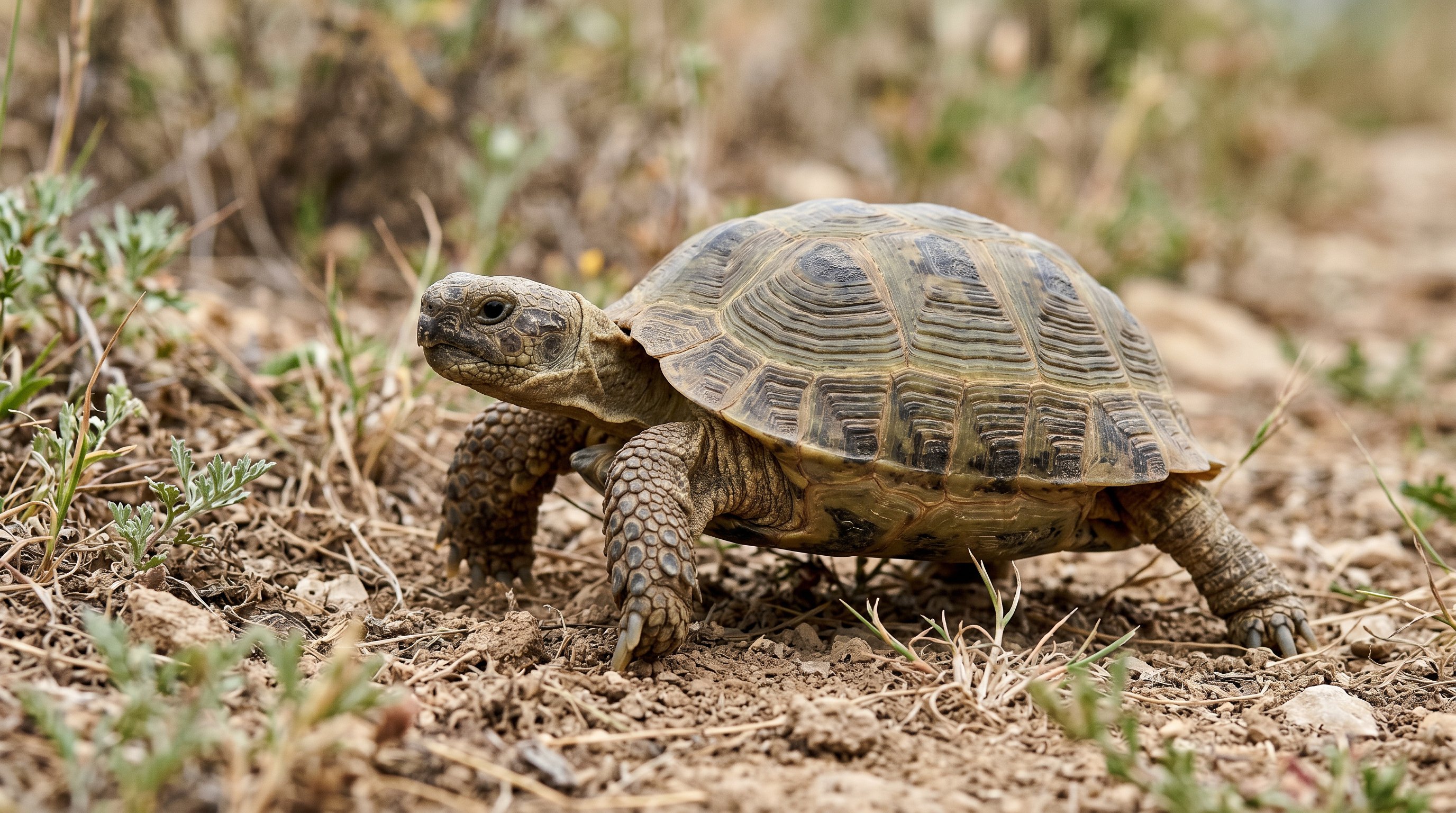
Russian tortoises are often sold as manageable tortoises, but the real story is “small for a tortoise,” not “simple pet.”
Evidence level
Mixed veterinary and specialist keeper sources
This page uses a mix of welfare or veterinary guidance plus stronger specialist care references where institutional species pages are sparse.
Activity
Diurnal
Activity pattern tells you when the animal is visible, when feeding happens, and whether its routine fits your schedule.
Lifespan
40–50+ years
Lifespan changes the commitment more than novelty does; some of these animals stay with you for years or even decades.
Category context
A practical starting group with familiar species, strong husbandry demand, and lots of real-world questions about setup, feeding, and lifespan.
Species with larger space needs, heavier lighting demands, and more obvious long-term commitment.
Overview
Russian tortoises are often sold as manageable tortoises, but the real story is “small for a tortoise,” not “simple pet.”
The focus here is the care load that matters first in real life: enclosure design, temperature and humidity control, feeding rhythm, and the husbandry mistakes that cause trouble fastest.
Care snapshot
Lifespan + space
PetMD stresses that arid tortoises are long-term commitments and generally need far more space than many new owners expect.
Lighting
Russian tortoises need strong UVB exposure, access to a basking area, and safe temperature gradients rather than uniformly warm rooms.
Diet
ReptiFiles emphasizes high-fiber weeds and greens, with fruit and rich protein foods avoided because they do not match a dryland grazing tortoise.
Exercise reality
A Russian tortoise is not a shelf pet; it needs daily opportunities to walk, graze, dig, and thermoregulate.
This page mixes veterinary or welfare guidance with specialist keeper references because species-specific owner literature is thinner than it is for mainstream dogs, cats, or rabbits.
Why it’s weird
They stand out because a Russian tortoise feels far stranger than a cat or rabbit while still being one of the more reachable tortoise species for private keepers.
Care reality
The hard part is lifetime husbandry: dry open space, high-quality UVB, outdoor access when safe, and a weed- and greens-based herbivore diet with almost no junk-food shortcuts.
Setup baseline
Start with the biggest practical enclosure or outdoor-safe setup you can provide, because growth is not the only reason tortoises need room.
A tortoise can look active for a long time in a bad light setup, which is exactly why weak UVB causes so much delayed damage.
Build the diet around grasses, weeds, and appropriate greens instead of supermarket fruit or high-calorie convenience foods.
Fit check
Best for people who want a long-lived reptile with strong daytime activity, have room for a much larger habitat than pet-store tortoise tables suggest, and can commit to herbivore nutrition.
Watchouts
Most welfare failures start with tiny indoor housing, weak UVB, overly rich diets, or buying a tortoise without a long-term space plan.
Common mistakes
Sources & notes
This page mixes veterinary or welfare guidance with specialist keeper references because species-specific owner literature is thinner than it is for mainstream dogs, cats, or rabbits.
Used for tortoise lifespan expectations, housing scale, UVB and basking priorities, and herbivore husbandry basics.
Used for species-oriented diet, enclosure, and husbandry details specific to Russian tortoises.
Before you act on this guide
This page is for research, not veterinary diagnosis or legal clearance. Local ownership rules, rescue policies, and exotic-vet access vary by place.
Cookie settings
Required for theme, navigation state, and remembering this choice.
Some changes may need a refresh.