Evidence level
Mixed veterinary and specialist keeper sources
This page uses a mix of welfare or veterinary guidance plus stronger specialist care references where institutional species pages are sparse.
Tier 2 · Worth Comparing
Source-backed species page
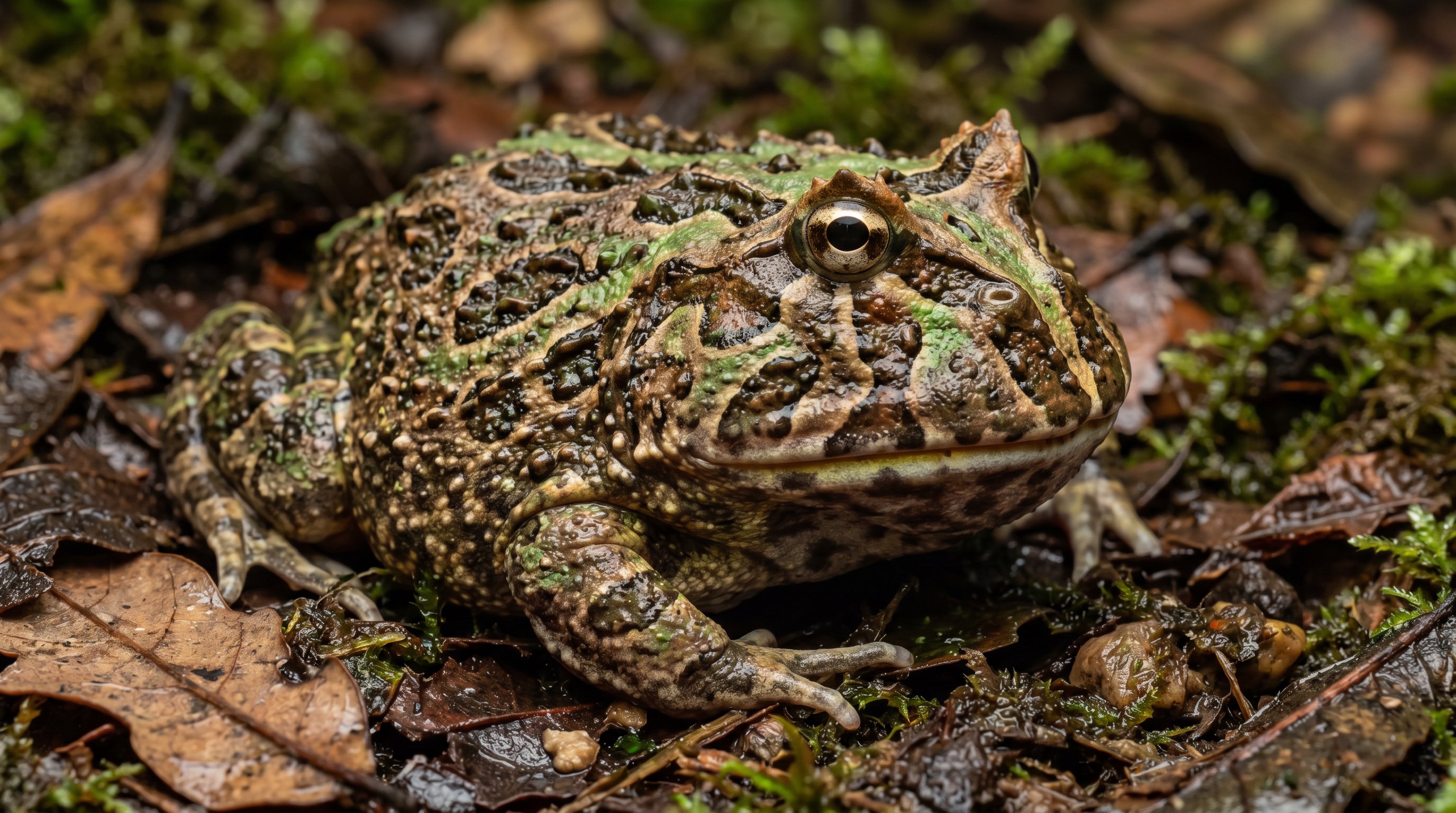
Pacman frogs attract beginners because they are round, dramatic ambush predators, but their actual care load is humidity control, sanitation, and restraint around feeding.
Evidence level
Mixed veterinary and specialist keeper sources
This page uses a mix of welfare or veterinary guidance plus stronger specialist care references where institutional species pages are sparse.
Activity
Nocturnal / ambush-based
Activity pattern tells you when the animal is visible, when feeding happens, and whether its routine fits your schedule.
Lifespan
6–10 years
Lifespan changes the commitment more than novelty does; some of these animals stay with you for years or even decades.
Category context
This group covers aquatic oddities and moisture-dependent species where water quality, humidity, and temperature control usually decide the outcome.
Amphibians often mislabeled as easy even though moisture, sanitation, and prey size matter a lot.
Overview
Pacman frogs attract beginners because they are round, dramatic ambush predators, but their actual care load is humidity control, sanitation, and restraint around feeding.
The focus here is the care load that matters first in real life: enclosure design, temperature and humidity control, feeding rhythm, and the husbandry mistakes that cause trouble fastest.
Care snapshot
Housing style
PetMD describes pacman frogs as terrestrial ambush predators that need humid substrate, hiding cover, and enough floor space to move between moist and sheltered spots.
Humidity + water
They depend on consistently damp, clean conditions and a shallow water area they can soak in without drowning risk.
Diet
Pacman frogs need appropriately sized prey and careful feeding restraint because obesity and impaction are common risks in heavy-bodied frogs.
Handling
This is a watch-first animal; frequent handling strips away the little margin amphibians have for skin stress and dehydration.
This page mixes veterinary or welfare guidance with specialist keeper references because species-specific owner literature is thinner than it is for mainstream dogs, cats, or rabbits.
Why it’s weird
They stand out because they look exaggerated and almost cartoonish, yet their captive life is defined more by stillness and environmental control than by visible action.
Care reality
They are not interactive display frogs. Most of their life is sitting, waiting, and relying on you to keep substrate, temperature, and prey choice in the safe zone.
Setup baseline
Substrate should hold moisture without turning the enclosure into a dirty, stagnant bowl.
Use prey size and meal spacing that match the frog’s age and condition instead of feeding every time it will lunge.
Routine care should be built around observation and enclosure maintenance, not around touching the animal.
Fit check
Best for people who want a mostly stationary amphibian, do not expect frequent handling, and can keep up with humidity, clean water, and appropriately sized prey.
Watchouts
Overfeeding, filthy substrate, oversized prey, and trying to handle them like a reptile are the common beginner problems.
Common mistakes
Sources & notes
This page mixes veterinary or welfare guidance with specialist keeper references because species-specific owner literature is thinner than it is for mainstream dogs, cats, or rabbits.
Used for housing style, humidity, water, feeding, and handling expectations.
Used as a natural-history cross-check on pacman frog behavior, ambush feeding, and habitat context.
Before you act on this guide
This page is for research, not veterinary diagnosis or legal clearance. Local ownership rules, rescue policies, and exotic-vet access vary by place.
Cookie settings
Required for theme, navigation state, and remembering this choice.
Some changes may need a refresh.