Evidence level
Captive-care sheets plus natural-history sources
This page leans on captive-care references and natural-history context because species-specific veterinary owner literature is still thin.
Tier 3 · More Niche
Source-backed species page
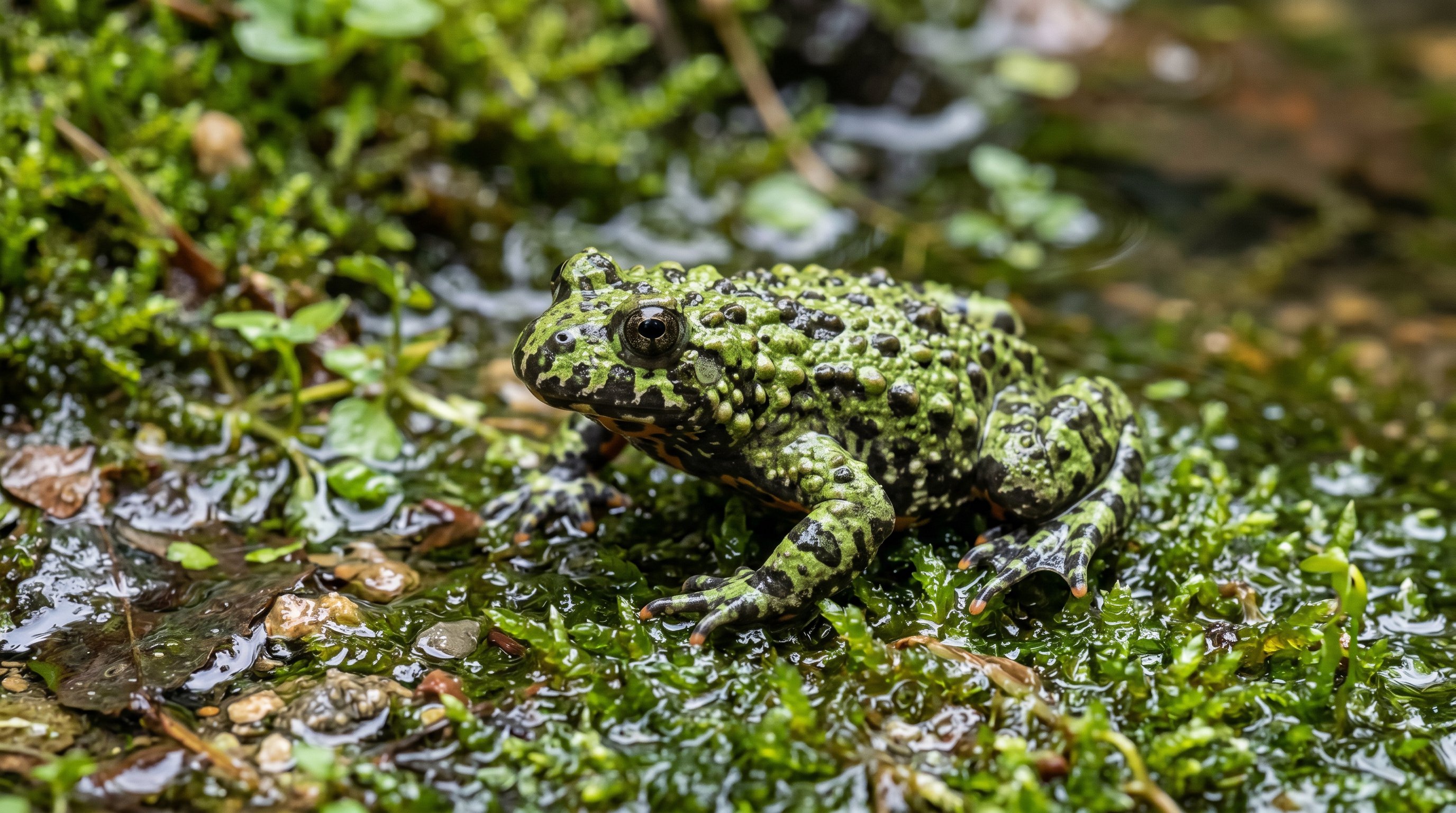
Fire-bellied toads feel lively and beginner-accessible, but their care still depends on clean semi-aquatic design, safe humidity, and a group setup that does not become a sanitation problem.
Evidence level
Captive-care sheets plus natural-history sources
This page leans on captive-care references and natural-history context because species-specific veterinary owner literature is still thin.
Activity
Diurnal / crepuscular
Activity pattern tells you when the animal is visible, when feeding happens, and whether its routine fits your schedule.
Lifespan
10–15 years
Lifespan changes the commitment more than novelty does; some of these animals stay with you for years or even decades.
Category context
This group covers aquatic oddities and moisture-dependent species where water quality, humidity, and temperature control usually decide the outcome.
Amphibians often mislabeled as easy even though moisture, sanitation, and prey size matter a lot.
Overview
Fire-bellied toads feel lively and beginner-accessible, but their care still depends on clean semi-aquatic design, safe humidity, and a group setup that does not become a sanitation problem.
The focus here is the care load that matters first in real life: enclosure design, temperature and humidity control, feeding rhythm, and the husbandry mistakes that cause trouble fastest.
Care snapshot
Habitat style
PetMD treats fire-bellied toads as semi-aquatic amphibians that need both accessible water and secure land resting areas.
Humidity + cleanliness
Moisture matters, but so does hygiene; wet environments become a liability fast when waste and leftover food accumulate.
Diet
They need appropriately sized live prey and a regular feeding routine, not random leftovers from a reptile feeder bin.
Handling
Handling should stay limited because amphibian skin is delicate and chemical exposure travels fast.
This page combines captive-care sheets with species natural-history references. For odd invertebrates and niche amphibians, that is often the most honest evidence mix available to hobbyists.
Why it’s weird
They stand out because they are more visible and animated than many amphibians, especially when compared with frogs that spend most of their time hidden.
Care reality
These are active amphibians, not hardy ornaments. Their enclosure has to support land, water, and easy cleaning without letting stagnant wetness define the whole habitat.
Setup baseline
Make both zones usable and easy to maintain instead of letting one messy bowl define the aquatic side.
Semi-aquatic amphibians punish hard-to-clean layouts faster than many reptiles do.
Food should be easy to swallow and remove if uneaten; overlarge prey is not enrichment.
Fit check
Best for people who want a more visible amphibian and are comfortable maintaining both water and land areas rather than a single simple terrarium.
Watchouts
Dirty water, poor ventilation, and assuming any damp box counts as “semi-aquatic” are the recurring mistakes.
Common mistakes
Sources & notes
This page combines captive-care sheets with species natural-history references. For odd invertebrates and niche amphibians, that is often the most honest evidence mix available to hobbyists.
Used for semi-aquatic housing, moisture, sanitation, diet, feeding, and handling expectations.
Used as a natural-history cross-check on fire-bellied toad biology and behavior.
Before you act on this guide
This page is for research, not veterinary diagnosis or legal clearance. Local ownership rules, rescue policies, and exotic-vet access vary by place.
Cookie settings
Required for theme, navigation state, and remembering this choice.
Some changes may need a refresh.