Evidence level
Mixed veterinary and specialist keeper sources
This page uses a mix of welfare or veterinary guidance plus stronger specialist care references where institutional species pages are sparse.
Tier 2 · Worth Comparing
Source-backed species page
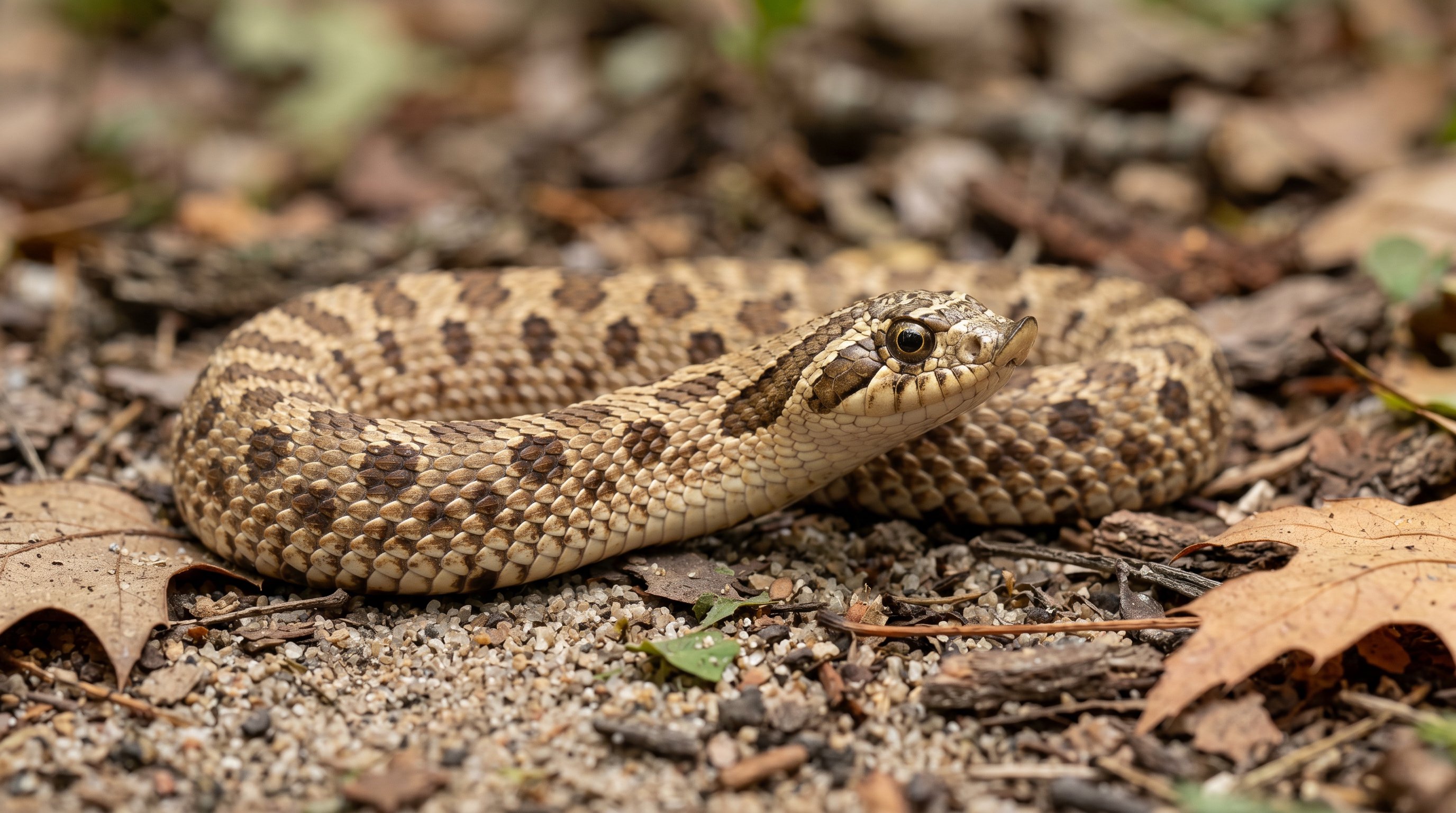
Hognose snakes look tiny and theatrical, but their real appeal is a compact setup paired with very species-specific behavior and feeding expectations.
Evidence level
Mixed veterinary and specialist keeper sources
This page uses a mix of welfare or veterinary guidance plus stronger specialist care references where institutional species pages are sparse.
Activity
Diurnal / crepuscular
Activity pattern tells you when the animal is visible, when feeding happens, and whether its routine fits your schedule.
Lifespan
10–18 years
Lifespan changes the commitment more than novelty does; some of these animals stay with you for years or even decades.
Category context
A practical starting group with familiar species, strong husbandry demand, and lots of real-world questions about setup, feeding, and lifespan.
Species people usually compare by enclosure security, feeding routine, humidity, and handling expectations.
Overview
Hognose snakes look tiny and theatrical, but their real appeal is a compact setup paired with very species-specific behavior and feeding expectations.
The focus here is the care load that matters first in real life: enclosure design, temperature and humidity control, feeding rhythm, and the husbandry mistakes that cause trouble fastest.
Care snapshot
Housing style
ReptiFiles describes western hognoses as small terrestrial snakes that do best with secure, cluttered ground-level space rather than bare display boxes.
Environment
A warm basking area, cooler retreat, dry-to-moderate overall humidity, and burrow-friendly substrate matter more than oversized height.
Behavior
Flattening the neck, hissing, and dramatic bluffing are part of the species package and are not the same thing as a snake that wants constant handling.
Feeding reality
This species can be fussier than corn snakes, so steady husbandry and low stress matter before you start trying food hacks.
This page mixes veterinary or welfare guidance with specialist keeper references because species-specific owner literature is thinner than it is for mainstream dogs, cats, or rabbits.
Why it’s weird
They stand out because the upturned snout, bluff displays, and compact size make them unlike the calmer, more predictable pet-snake image most people start with.
Care reality
The welfare problem is not size. It is assuming a snake with quirky bluff displays can be kept on generic colubrid settings without enough cover, heat structure, or feeding patience.
Setup baseline
Give the snake enough substrate and hide density to dig, disappear, and feel in control.
Read hissing and hooding as normal defensive theater first, then evaluate appetite or health patterns calmly.
Build consistency into heat, cover, and prey presentation before changing prey types every time the snake hesitates.
Fit check
Best for people who want a smaller terrestrial snake, can read defensive body language without panicking, and are comfortable with a species that may be less predictable at feeding time.
Watchouts
The most common problems are under-covered enclosures, forcing food changes too quickly, and buying one for novelty without understanding the bluffing behavior.
Common mistakes
Sources & notes
This page mixes veterinary or welfare guidance with specialist keeper references because species-specific owner literature is thinner than it is for mainstream dogs, cats, or rabbits.
Used for enclosure approach, terrestrial and burrowing behavior, and feeding-management expectations.
Before you act on this guide
This page is for research, not veterinary diagnosis or legal clearance. Local ownership rules, rescue policies, and exotic-vet access vary by place.
Cookie settings
Required for theme, navigation state, and remembering this choice.
Some changes may need a refresh.