Evidence level
Species-specific veterinary and welfare sources
The core husbandry numbers on this page come from species-level veterinary or welfare guidance rather than broad hobby generalizations.
Tier 2 · Worth Comparing
Source-backed species page
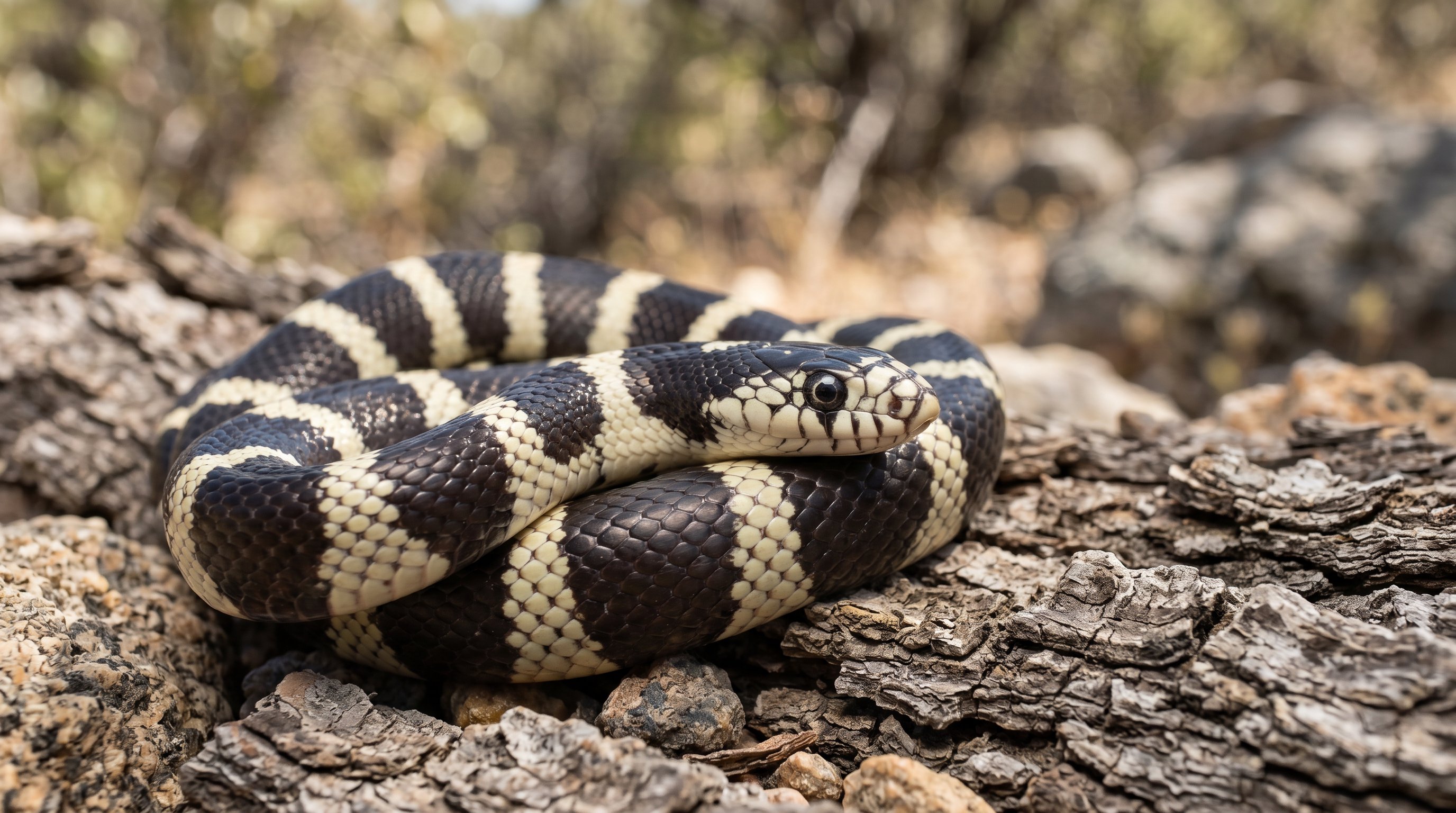
California kingsnakes are active, striking, and easier to browse than many snakes, but they are still solitary escape artists with strong feeding responses.
Evidence level
Species-specific veterinary and welfare sources
The core husbandry numbers on this page come from species-level veterinary or welfare guidance rather than broad hobby generalizations.
Activity
Crepuscular
Activity pattern tells you when the animal is visible, when feeding happens, and whether its routine fits your schedule.
Lifespan
15–20 years
Lifespan changes the commitment more than novelty does; some of these animals stay with you for years or even decades.
Category context
A practical starting group with familiar species, strong husbandry demand, and lots of real-world questions about setup, feeding, and lifespan.
Species people usually compare by enclosure security, feeding routine, humidity, and handling expectations.
Overview
California kingsnakes are active, striking, and easier to browse than many snakes, but they are still solitary escape artists with strong feeding responses.
The focus here is the care load that matters first in real life: enclosure design, temperature and humidity control, feeding rhythm, and the husbandry mistakes that cause trouble fastest.
Care snapshot
Enclosure baseline
RSPCA says the enclosure should let the snake fully stretch; their example for a 180 cm kingsnake is about 180 × 60 × 60 cm minimum.
Heat + humidity
Target a basking area around 26–30°C, a cool end around 21–24°C, and humidity around 40–55% with light daily misting.
Water + hides
Provide water large enough for full-body soaking and hides at both ends so the snake does not have to trade security for temperature choice.
Solitary housing
RSPCA explicitly warns that kingsnakes should be kept singly because they are territorial and may attack or even cannibalize other snakes.
This page leans on species-specific welfare or veterinary owner guidance, so the setup numbers here are stronger than a broad generic exotic-pet summary.
Why it’s weird
They stand out because they are more active and visually bold than many beginner snakes, which makes them appealing to people who want a snake that does more than hide.
Care reality
Their practical care looks a lot like other beginner snakes, except kingsnakes bring more appetite, more movement, and a stronger reason to house singly.
Setup baseline
Think full-stretch length, sturdy lid security, and enough clutter that an active snake still feels hidden.
A big water bowl and a humid hide help with hydration, shedding, and stress reduction without turning the whole enclosure wet.
This is not a companionship species, and the feeding risk is too high to treat cohabitation as enrichment.
Fit check
Best for people who want a hardy colubrid, can maintain a full-size enclosure, and do not expect a snake that enjoys long handling sessions.
Watchouts
Cohabitation, sloppy enclosure security, and humidity that is either too high or too erratic cause most of the trouble.
Common mistakes
Sources & notes
This page leans on species-specific welfare or veterinary owner guidance, so the setup numbers here are stronger than a broad generic exotic-pet summary.
Used for enclosure size, thermal and humidity targets, water, UVB, and the warning against cohabitation.
Used as a specialist cross-check for kingsnake housing, feeding response, humidity, and solitary-care priorities.
Before you act on this guide
This page is for research, not veterinary diagnosis or legal clearance. Local ownership rules, rescue policies, and exotic-vet access vary by place.
Cookie settings
Required for theme, navigation state, and remembering this choice.
Some changes may need a refresh.