Evidence level
Mixed veterinary and specialist keeper sources
This page uses a mix of welfare or veterinary guidance plus stronger specialist care references where institutional species pages are sparse.
Tier 2 · Worth Comparing
Source-backed species page
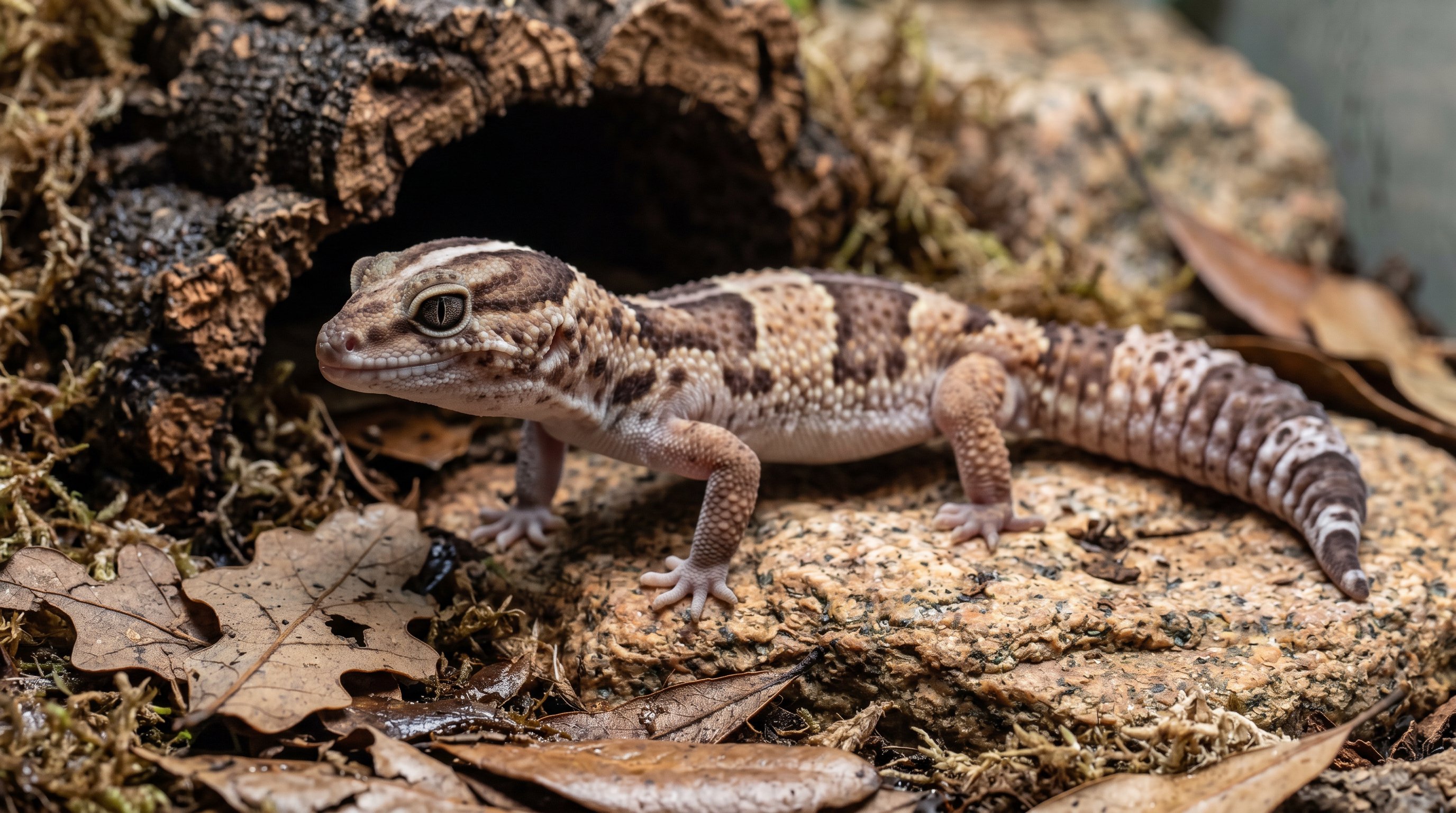
African fat-tailed geckos are often pitched as simple beginner geckos, but the real care difference is their stronger need for a humid retreat and steadier moisture control.
Evidence level
Mixed veterinary and specialist keeper sources
This page uses a mix of welfare or veterinary guidance plus stronger specialist care references where institutional species pages are sparse.
Activity
Nocturnal
Activity pattern tells you when the animal is visible, when feeding happens, and whether its routine fits your schedule.
Lifespan
10–20 years
Lifespan changes the commitment more than novelty does; some of these animals stay with you for years or even decades.
Category context
A practical starting group with familiar species, strong husbandry demand, and lots of real-world questions about setup, feeding, and lifespan.
Compact reptiles that look approachable but differ sharply in humidity, diet, and lighting needs.
Overview
African fat-tailed geckos are often pitched as simple beginner geckos, but the real care difference is their stronger need for a humid retreat and steadier moisture control.
The focus here is the care load that matters first in real life: enclosure design, temperature and humidity control, feeding rhythm, and the husbandry mistakes that cause trouble fastest.
Care snapshot
Housing style
ReptiFiles describes this species as a terrestrial, mostly solitary gecko that does best with a secure floor-focused enclosure and multiple hides.
Heat + humidity
Warm-side surface temperatures are typically pushed into the low 90s°F, while the enclosure still needs a humid hide or moist retreat for safe shedding.
Diet
A varied insect diet with gut-loading and supplementation matters more than fancy décor; roaches, crickets, worms, and occasional variety are the usual backbone.
Handling reality
They are often calmer than they look, but they are still a nocturnal prey species that should settle into the enclosure before regular handling.
This page mixes veterinary or welfare guidance with specialist keeper references because species-specific owner literature is thinner than it is for mainstream dogs, cats, or rabbits.
Why it’s weird
They stand out because they look approachable and familiar, yet come from a different ecological pattern that changes how humidity and cover should be managed.
Care reality
This is still a terrestrial insectivore with a warm hide, a cool retreat, and a humid shed zone; trouble starts when keepers copy generic arid-gecko advice and underbuild the humid retreat.
Setup baseline
Give the gecko dry walking and basking areas, then one properly maintained moist hide rather than misting the whole enclosure into dampness.
The key number is not room temperature; it is the usable warmth where the gecko actually rests and digests.
Build variety into the feeder rotation and use supplements consistently so the tail does not become the only “health insurance.”
Fit check
Best for people who want a slower-moving gecko and are willing to manage both dry ground space and a dependable humid hide.
Watchouts
Most errors come from over-drying the enclosure, underheating the warm hide, or letting one feeder insect become the whole diet.
Common mistakes
Sources & notes
This page mixes veterinary or welfare guidance with specialist keeper references because species-specific owner literature is thinner than it is for mainstream dogs, cats, or rabbits.
Used for enclosure style, humidity approach, temperature structure, feeding, and handling expectations.
Used as a natural-history cross-check on habitat and behavior.
Before you act on this guide
This page is for research, not veterinary diagnosis or legal clearance. Local ownership rules, rescue policies, and exotic-vet access vary by place.
Cookie settings
Required for theme, navigation state, and remembering this choice.
Some changes may need a refresh.