Evidence level
Mixed veterinary and specialist keeper sources
This page uses a mix of welfare or veterinary guidance plus stronger specialist care references where institutional species pages are sparse.
Tier 2 · Worth Comparing
Source-backed species page
Degus can look manageable at first glance, but their real care load is social, busy, chew-heavy, and metabolically unforgiving.
Evidence level
Mixed veterinary and specialist keeper sources
This page uses a mix of welfare or veterinary guidance plus stronger specialist care references where institutional species pages are sparse.
Activity
Diurnal / crepuscular
Activity pattern tells you when the animal is visible, when feeding happens, and whether its routine fits your schedule.
Lifespan
5–8 years
Lifespan changes the commitment more than novelty does; some of these animals stay with you for years or even decades.
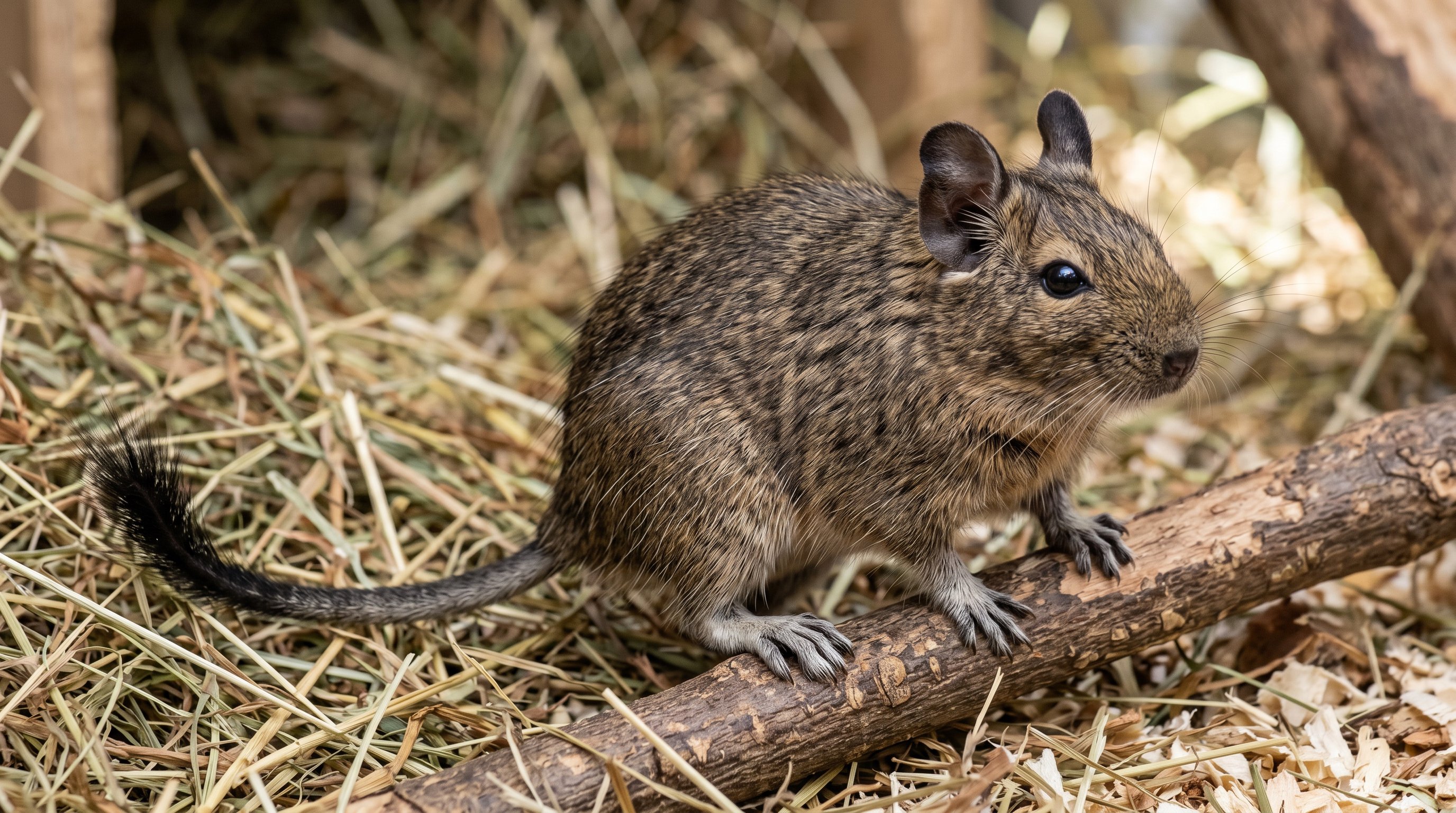
Category context
A high-interest group where appearance often hides more demanding care around heat, social needs, enrichment, and daily routine.
Less common small mammals that still raise strong questions about diet, handling, and enclosure planning.
Overview
Degus can look manageable at first glance, but their real care load is social, busy, chew-heavy, and metabolically unforgiving.
The focus here is the care load that matters first in real life: enclosure design, temperature and humidity control, feeding rhythm, and the husbandry mistakes that cause trouble fastest.
Care snapshot
Social needs
PDSA and PetMD both frame degus as social animals that should not be kept as solitary pocket exotics.
Diet
Degus are especially vulnerable to sugar-related health problems, which is why fruit and sweet treats are poor routine foods.
Activity
They need generous climbing and digging opportunities, chew items, and much more daily occupation than a basic small cage provides.
Handling expectation
They can be engaging pets, but they are fast, alert animals that need trust-building rather than rough or grabby handling.
This page mixes veterinary or welfare guidance with specialist keeper references because species-specific owner literature is thinner than it is for mainstream dogs, cats, or rabbits.
Why it’s weird
They stand out because they combine rodent energy, social behavior, and strict low-sugar husbandry in a way that surprises people expecting a calmer cage pet.
Care reality
They need companionship, room to move, constant chewing options, and a very disciplined low-sugar diet. Cute behavior does not make them low-maintenance.
Setup baseline
Companionship is part of the husbandry decision, not an optional add-on after the cage is already purchased.
Keep the diet plain, high in fiber, and low in sugar from the beginning.
Use materials and layout that can handle chewing, climbing, digging, and wheels without becoming dangerous.
Fit check
Best for people who want a social small mammal, are ready to keep a compatible pair or group, and can manage a low-sugar, enrichment-heavy setup.
Watchouts
Keeping one alone, feeding sugary treats, and underestimating how hard they chew through weak housing are the classic mistakes.
Common mistakes
Sources & notes
This page mixes veterinary or welfare guidance with specialist keeper references because species-specific owner literature is thinner than it is for mainstream dogs, cats, or rabbits.
Used for companionship, diet, housing, and welfare expectations for pet degus.
Used as a veterinary-edited cross-check for degu feeding, housing, social needs, and enrichment.
Before you act on this guide
This page is for research, not veterinary diagnosis or legal clearance. Local ownership rules, rescue policies, and exotic-vet access vary by place.
Cookie settings
Required for theme, navigation state, and remembering this choice.
Some changes may need a refresh.