Evidence level
Species-specific veterinary and welfare sources
The core husbandry numbers on this page come from species-level veterinary or welfare guidance rather than broad hobby generalizations.
Tier 1 · Most Researched
Source-backed species page
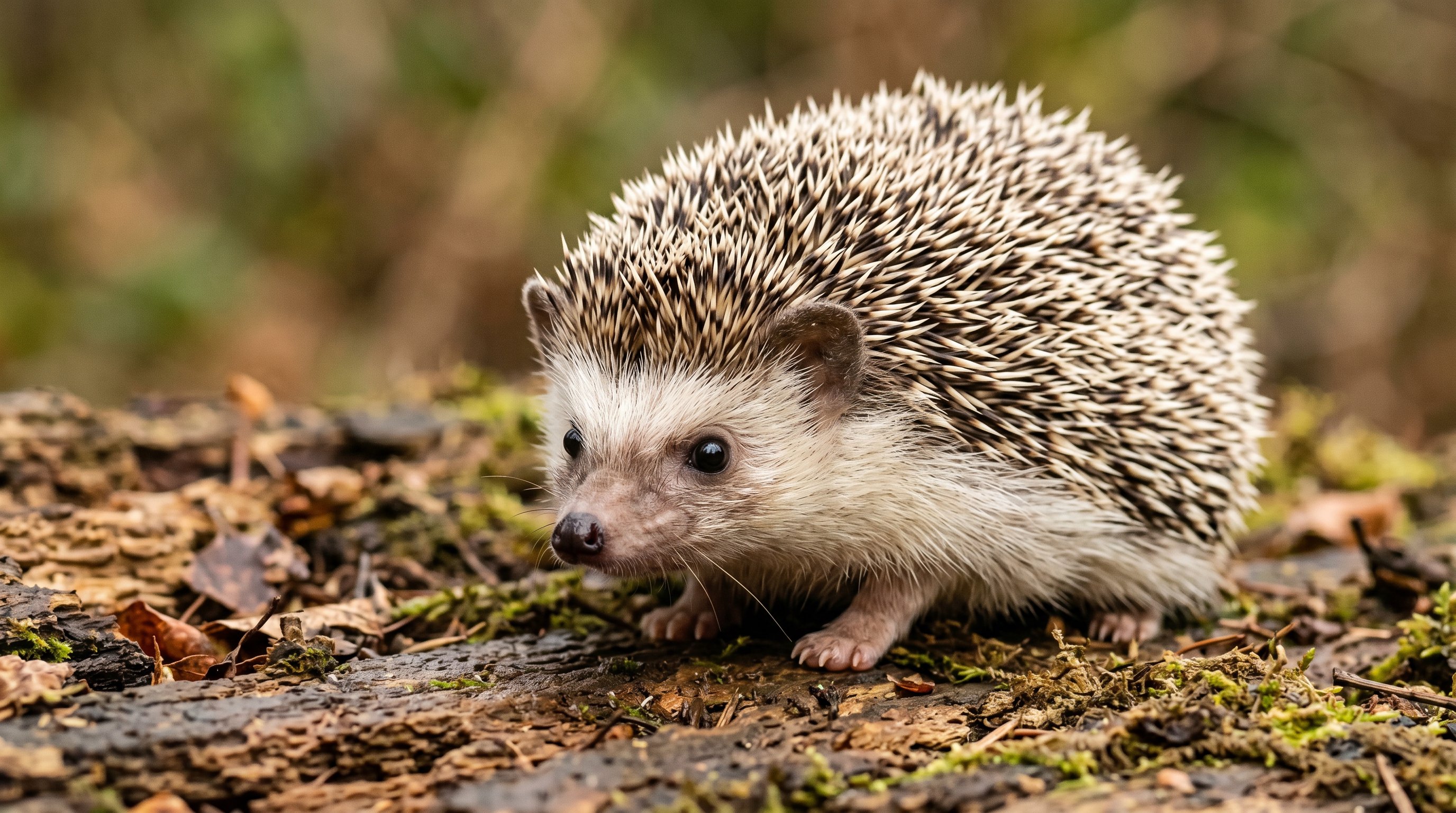
African pygmy hedgehogs look small and self-contained, but their real husbandry challenge is warmth, space for night activity, and a diet that does not drift into obesity.
Evidence level
Species-specific veterinary and welfare sources
The core husbandry numbers on this page come from species-level veterinary or welfare guidance rather than broad hobby generalizations.
Activity
Nocturnal
Activity pattern tells you when the animal is visible, when feeding happens, and whether its routine fits your schedule.
Lifespan
3–6 years
Lifespan changes the commitment more than novelty does; some of these animals stay with you for years or even decades.
Category context
A high-interest group where appearance often hides more demanding care around heat, social needs, enrichment, and daily routine.
Species that attract beginners quickly but often need much more environmental control or daily structure than expected.
Overview
African pygmy hedgehogs look small and self-contained, but their real husbandry challenge is warmth, space for night activity, and a diet that does not drift into obesity.
The focus here is the care load that matters first in real life: enclosure design, temperature and humidity control, feeding rhythm, and the husbandry mistakes that cause trouble fastest.
Care snapshot
Temperature
Merck warns hedgehogs must be protected from cool conditions because low temperatures can trigger serious problems, including failed hibernation attempts in captive animals.
Housing
Merck and PetMD both emphasize secure floor space, hiding areas, and enrichment rather than a cramped decorative cage.
Activity pattern
Hedgehogs are nocturnal, so a wheel and nighttime exercise matter much more than expecting daytime interaction.
Diet reality
Weight gain comes easily, which is why portion control and avoiding rich extras are as important as picking a base food.
This page leans on species-specific welfare or veterinary owner guidance, so the setup numbers here are stronger than a broad generic exotic-pet summary.
Why it’s weird
They stand out because they look like tiny solitary insectivores from another category entirely, yet are still sold into home settings that often underestimate their nighttime needs.
Care reality
A hedgehog is not a desk pet. It needs a warm environment, quiet handling, a safe wheel, and a routine that respects the fact that most of the action happens after you go to bed.
Setup baseline
Stabilize ambient temperature and hide options before worrying about taming; a chilled hedgehog is a husbandry emergency, not a personality issue.
A safe wheel, uncluttered walking room, and hiding places matter more than stacked levels.
Set a measured feeding plan from day one because obesity creeps up faster than most first-time owners expect.
Daily rhythm
A hedgehog that sleeps through most of the day is usually acting normally; the meaningful activity often happens long after people expect to interact.
Because chilling can trigger serious problems, room temperature and enclosure warmth deserve the same routine attention that feeding gets.
Hedgehog care often feels simple until calorie drift shows up, which is why food portions and wheel use matter more than casual treat-giving.
Myth vs reality
Myth
A hedgehog is a low-space pet because it curls into a ball.
Reality
That defensive posture says nothing about how much floor space, exercise, and environmental stability it needs when active.
Myth
If a hedgehog is sleepy or sluggish, it probably just has a calm personality.
Reality
Lethargy can be a temperature or husbandry warning sign, so slow behavior should be checked against environment first.
Myth
Treats are harmless because the animal is small.
Reality
Hedgehogs gain weight easily, and poor diet discipline becomes a chronic welfare problem fast.
Fit check
Best for people who want a solitary nocturnal mammal, can keep the room warm and quiet, and do not expect a cuddly daytime pet.
Great fit if…
Probably not if…
Watchouts
Cold rooms, tiny cages, poor wheels, and calorie-heavy feeding are the big welfare traps.
Common mistakes
Sources & notes
This page leans on species-specific welfare or veterinary owner guidance, so the setup numbers here are stronger than a broad generic exotic-pet summary.
Used for housing, temperature, activity, and routine husbandry priorities.
Used as a veterinary-edited cross-check for hedgehog temperature, housing, wheels, diet, and routine-care expectations.
Before you act on this guide
This page is for research, not veterinary diagnosis or legal clearance. Local ownership rules, rescue policies, and exotic-vet access vary by place.
Cookie settings
Required for theme, navigation state, and remembering this choice.
Some changes may need a refresh.