Evidence level
Species-specific veterinary and welfare sources
The core husbandry numbers on this page come from species-level veterinary or welfare guidance rather than broad hobby generalizations.
Tier 2 · Worth Comparing
Source-backed species page
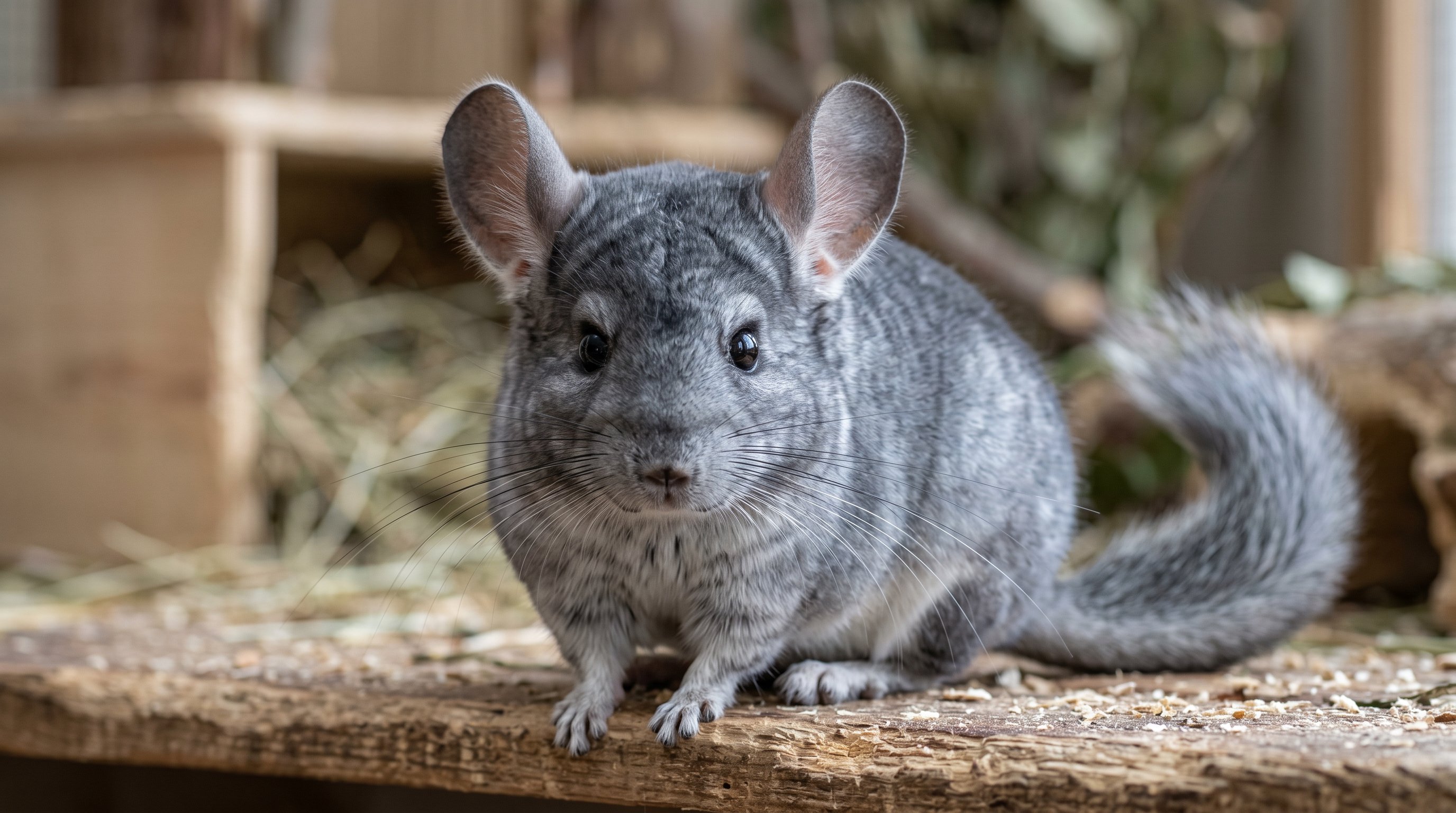
Chinchillas are appealing because they are soft, bright, and long-lived, but the real care load is cool temperatures, vertical exercise, fiber-first feeding, and dust-bath maintenance.
Evidence level
Species-specific veterinary and welfare sources
The core husbandry numbers on this page come from species-level veterinary or welfare guidance rather than broad hobby generalizations.
Activity
Crepuscular / nocturnal
Activity pattern tells you when the animal is visible, when feeding happens, and whether its routine fits your schedule.
Lifespan
10–20 years
Lifespan changes the commitment more than novelty does; some of these animals stay with you for years or even decades.
Category context
A high-interest group where appearance often hides more demanding care around heat, social needs, enrichment, and daily routine.
Species that attract beginners quickly but often need much more environmental control or daily structure than expected.
Overview
Chinchillas are appealing because they are soft, bright, and long-lived, but the real care load is cool temperatures, vertical exercise, fiber-first feeding, and dust-bath maintenance.
The focus here is the care load that matters first in real life: enclosure design, temperature and humidity control, feeding rhythm, and the husbandry mistakes that cause trouble fastest.
Care snapshot
Temperature caution
Chinchillas are heat-sensitive and do best in cool, dry conditions rather than warm family-room temperatures.
Housing
Merck recommends generous secure housing with room to climb, chew-safe furnishings, and regular exercise opportunities.
Diet
Hay should be the dietary backbone, while rich treats, dried fruit, grains, and nuts should be limited or avoided.
Dust-bath reality
Dust bathing is part of skin and coat maintenance, but the bath should be managed cleanly rather than left dirty in the cage full-time.
This page leans on species-specific welfare or veterinary owner guidance, so the setup numbers here are stronger than a broad generic exotic-pet summary.
Why it’s weird
They stand out because they look plush and gentle while actually being cool-climate prey mammals with unusually specific environmental and coat-care needs.
Care reality
The hardest parts are preventing overheating, keeping the diet plain and hay-based, and giving enough climbing space without using unsafe cage materials.
Setup baseline
A chinchilla can look stable until room temperatures drift too high, so cooling strategy matters before toy shopping.
Start with hay, a measured pellet routine, and very restrained treats so the gut stays stable.
Choose shelves, ramps, and chew items that support exercise without wire-floor injuries or unsafe falls.
Fit check
Best for people who want an evening-active prey mammal, can keep the environment cool and dry, and are willing to manage hay, chewing, dust baths, and long lifespans.
Watchouts
Heat, sugary foods, poor cage design, and inconsistent dust-bath hygiene are the first things to get wrong.
Common mistakes
Sources & notes
This page leans on species-specific welfare or veterinary owner guidance, so the setup numbers here are stronger than a broad generic exotic-pet summary.
Used for housing, exercise, environmental, and safety expectations.
Used for hay-forward nutrition and treat limits.
Used as a veterinary-edited cross-check for chinchilla cooling, enclosure structure, and dust-bath management.
Before you act on this guide
This page is for research, not veterinary diagnosis or legal clearance. Local ownership rules, rescue policies, and exotic-vet access vary by place.
Cookie settings
Required for theme, navigation state, and remembering this choice.
Some changes may need a refresh.